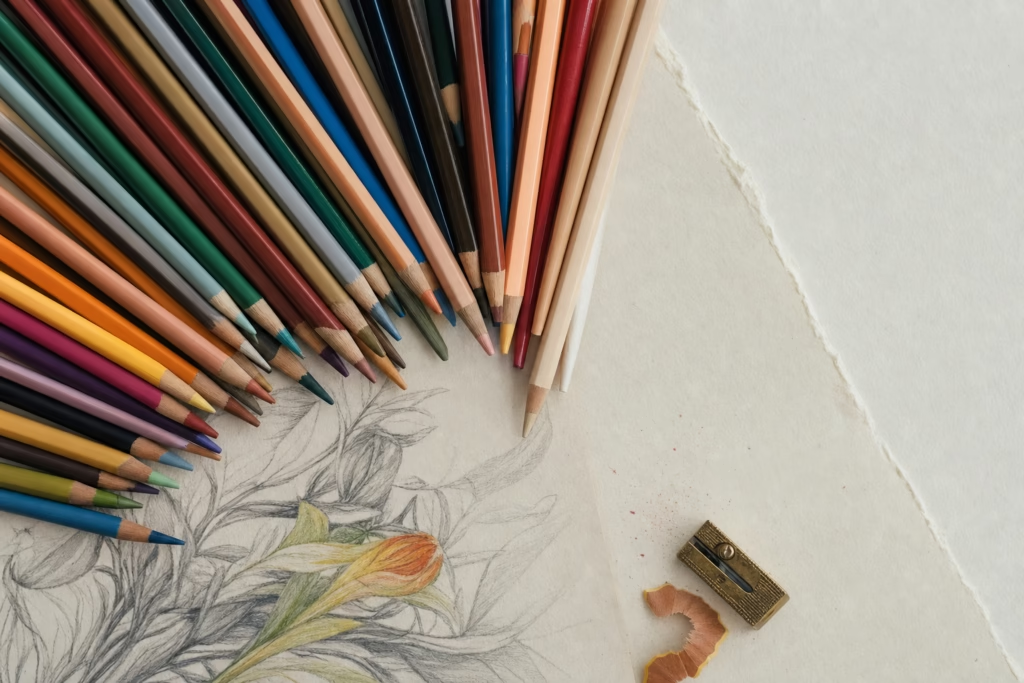
Oil-based colored pencils are artist pencils whose pigment is held in an oil-dominant binder instead of a wax one, which gives them a harder core that keeps a sharp point, resists breakage, and never blooms. The best oil-based colored pencils are Faber-Castell Polychromos overall, with Caran d’Ache Pablo for crisp linework, Derwent Lightfast for archival permanence, Holbein for soft buttery blending, and Koh-I-Noor Polycolor for value; Castle Art Supplies, Arrtx, and Brutfuner cover the budget end.
That one sentence hides a real decision, because “oil-based” is a small, premium corner of the colored pencil supplies market, and the lines inside it range from century-lightfast professional sets to sub-$40 tins of 180. This guide compares ten oil-based colored pencils an artist can actually buy, explains why the oil binder behaves the way it does, shows how to blend and burnish it, and sets out exactly when oil beats wax-based colored pencils. Every product spec below is tied to the maker’s own listing or a hands-on review, not to hearsay, and where a pencil is really a wax-oil hybrid it is labelled as one.
Best oil-based colored pencils at a glance
The best oil-based colored pencil depends on the job and the budget: professional detail and permanence favour the European artist brands, while adult-coloring and practice favour the affordable oil sets. The table maps each of the ten picks to the use it wins, its colour range, its binder, and its defining trait, so you can match a set to your drawing before reading the full reviews below.
| Oil-based colored pencil | Best for | Colours | Binder | Defining trait |
|---|---|---|---|---|
| Faber-Castell Polychromos | Best overall | 120 | Oil-based | Firm point, 102/120 max lightfast, no wax bloom |
| Caran d’Ache Pablo | Fine detail and linework | 120 | Oil-based | Hard, durable core sharpens to a needle point |
| Derwent Lightfast | Archival, fade-proof work | 100 | Oil-based | 100% lightfast to ASTM D6901, creamy laydown |
| Holbein Artists’ | Soft, buttery blending | 150 | Oil-wax hybrid | Widest range here; soft, painterly laydown |
| Caran d’Ache Luminance 6901 | Luxury blending and lightfastness | 100 | Oil-wax hybrid | Maker calls it “mainly oil-based”; under 30% wax; top lightfastness |
| Koh-I-Noor Polycolor | Value artist grade | 144 | Oil-based | Largest palette; smooth, no wax build-up |
| Castle Art Supplies Gold Standard | Beginners and adult coloring | 72 / 120 | Oil-based | Break-resistant cores, low price, extras included |
| Posca Oil-Based | Opaque colour and mixed media | 36 | Oil-wax hybrid | Highly opaque, even on black paper |
| Arrtx Oil-Based | Budget soft-core value | 72–126 | Oil-based | Buttery soft core, minimal bloom, ~$30–40 |
| Brutfuner Oily | Biggest palette, lowest price | Up to 180 | Oil-based | Mostly vegetable oil; no lightfast ratings |
What oil-based colored pencils are and why artists choose them
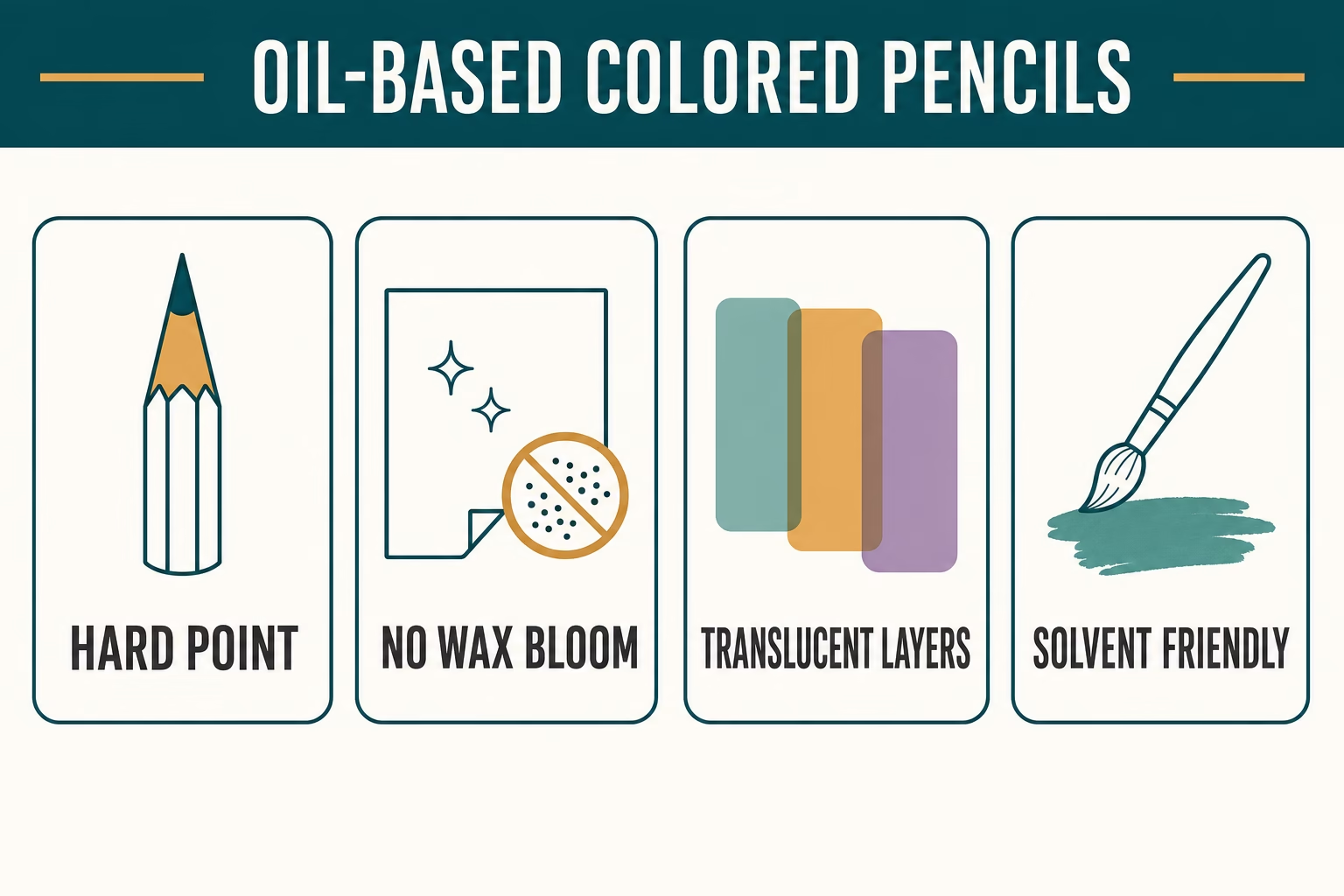
Oil-based colored pencils are pencils in which powdered pigment is bound with an oil-dominant medium rather than a wax-dominant one. Every colored pencil uses a mix of wax and oil to bind its pigment, as artist and instructor Carrie L. Lewis explains; the difference is only the ratio, so a wax-based pencil has more wax and an oil-based pencil has more oil. That single shift in the binder changes how the pencil sharpens, layers, and lasts.
Artists reach for oil-based pencils for four linked reasons. First, the harder oil core holds a sharp point far longer, which is why portrait and botanical artists use them for fine detail and crisp colored pencil techniques. Second, the same hardness makes the cores less likely to shatter when dropped, a common frustration with soft wax pencils. Third, oil-based pencils do not produce wax bloom, the misty film that rises to the surface of a wax drawing over time; as Matt Fussell of The Virtual Instructor notes, oil-based pencils “do not produce wax-bloom, since the binder is not wax-based.” Fourth, their slightly more translucent laydown builds colour in controlled, glaze-like layers rather than reaching a waxy saturation quickly.
The trade-off is honest: true oil-based pencils are less common, sold mostly as premium artist lines or as newer budget imports, so the best of them cost more and the cheapest publish no lightfastness data. They also do not slide to that buttery, fully burnished finish as fast, so even colour takes heavier pressure or more layers. For most serious work that is a fair price for control and permanence, and the two binders can be freely combined in one drawing.
The best oil-based colored pencils, compared
The best oil-based colored pencil for a given artist is the one matched to how they work and what they can spend: professional sets for realism and permanence, hybrids for buttery blending, or affordable oil tins for coloring and practice. The ten lines below run from the professional standard down to the budget imports, each reviewed for binder, colour range, lightfastness, and the drawing it suits.
Faber-Castell Polychromos — best overall
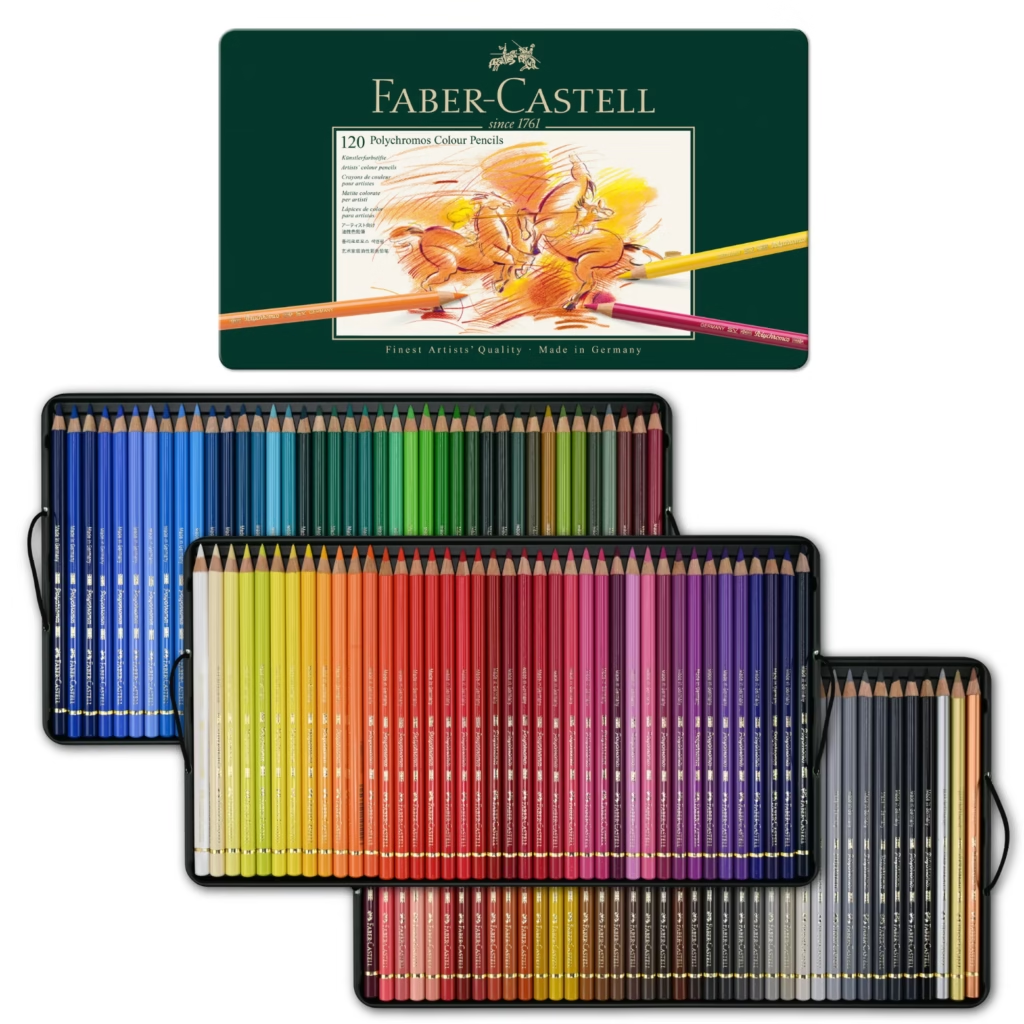
Faber-Castell Polychromos are the reference oil-based pencil, the set most professionals name first and the one other brands are measured against. Made in Germany, they carry a medium-soft, oil-based core 3.8 mm thick and come in 120 colours, sold in tins of 12, 24, 36, 60, and 120 or as open stock. Their firmness sharpens to a clean point for detail while still layering smoothly, and Faber-Castell rates 102 of the 120 colours at its maximum three-star lightfastness, resistant to fading for a century under museum conditions, with no wax bloom. The core is harder than a soft wax pencil like Prismacolor, so beginners chasing instant saturation may find them firm at first, but for detail, permanence, and all-round reliability this is the answer for most people asking which oil-based pencil to buy first.
Caran d’Ache Pablo — best for fine detail and linework
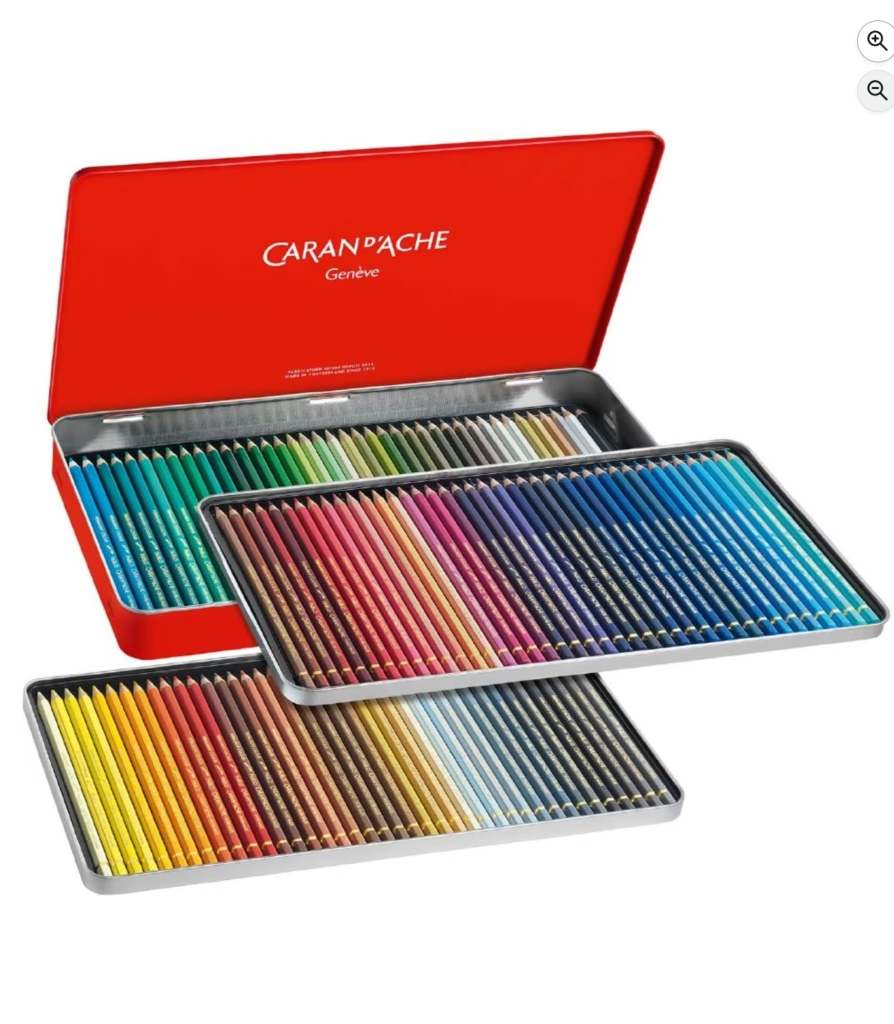
Caran d’Ache Pablo pencils are the linework specialist, a Swiss-made oil-based pencil with an unusually hard, durable core that sharpens to a needle point and holds it. Sold in 120 permanent colours in tins of 12, 18, 30, 40, 80, and 120, their 3.8 mm oil-and-wax lead is, by Caran d’Ache’s own description, oil-based like Polychromos yet lays down “like laying butter,” staying essentially free of wax bloom. Caran d’Ache told Pencil Topics the Pablo lead is soaked in molten wax to under 10% wax content, giving a medium hardness that resists blooming, and the maker confirmed to reviewers that Pablo is its true oil-based line while Luminance is the wax-oil mix. In practice that means a hard, durable core that still lays down almost buttery, which makes it the pick for crisp hatching, controlled edges, and fine botanical or architectural detail. The hexagonal barrel adds grip for tight, controlled work. It sits at the premium end on price, but no oil pencil here beats it for a clean, sharp line.
Derwent Lightfast — best for archival, fade-proof work
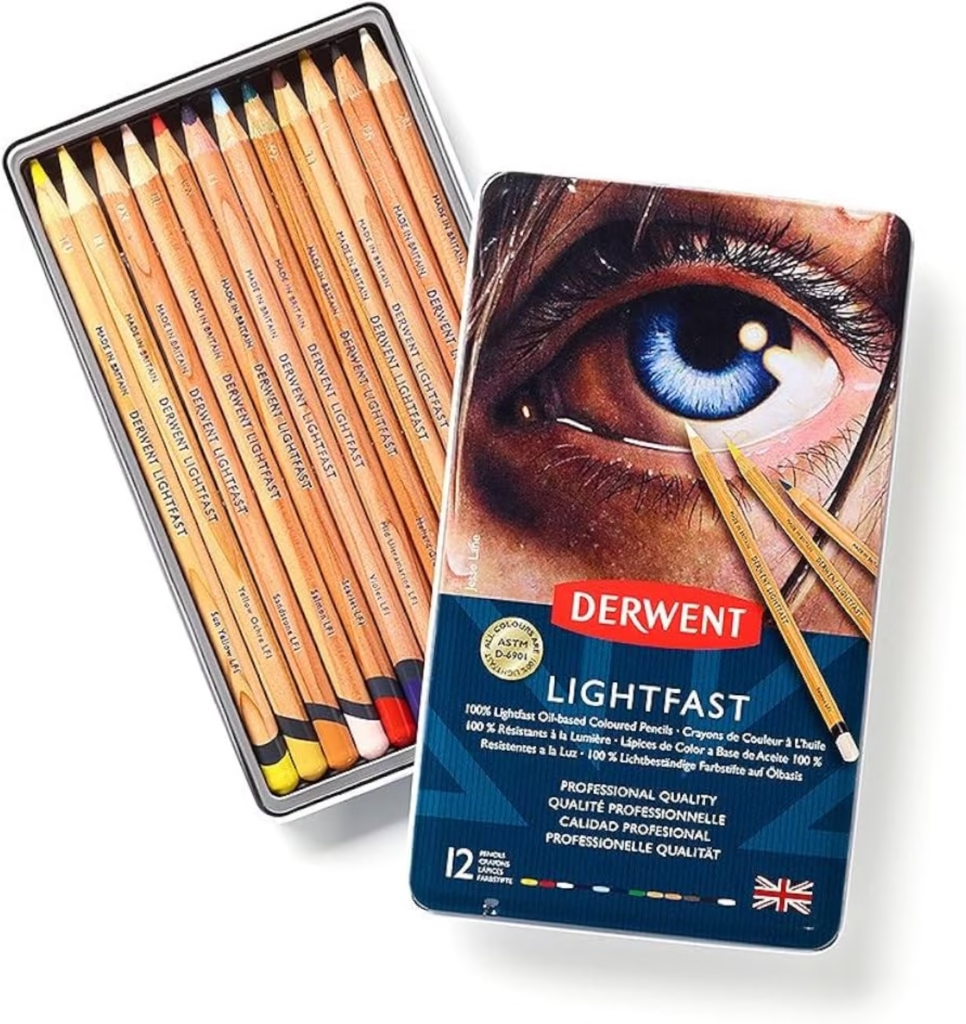
Derwent Lightfast is the archival pick, built so a finished drawing will not fade. It is Derwent’s first oil-based line, now in 100 colours, with a wide 4 mm core that lays down a soft, velvety, opaque colour closer to a wax pencil’s creaminess than the firmer Polychromos. Its defining claim is permanence: Derwent states that all 100 colours are 100% lightfast, tested to the ASTM D6901 standard at ratings LFI and LFII, meaning they resist fading for up to 100 years under museum conditions. Each pencil prints its own lightfast rating on the barrel. Because the binder is an oilier blend, it behaves like an oil pencil for point retention and freedom from bloom while blending more readily than most. One caveat from working artists is that Lightfast can be reluctant to layer on top of other brands, so it rewards being used as its own system rather than mixed mid-drawing. Choose it when the work is meant to sell, hang, or last, and colour that holds decades from now matters more than saving money today.
Holbein Artists’ Colored Pencils — best for soft, buttery blending
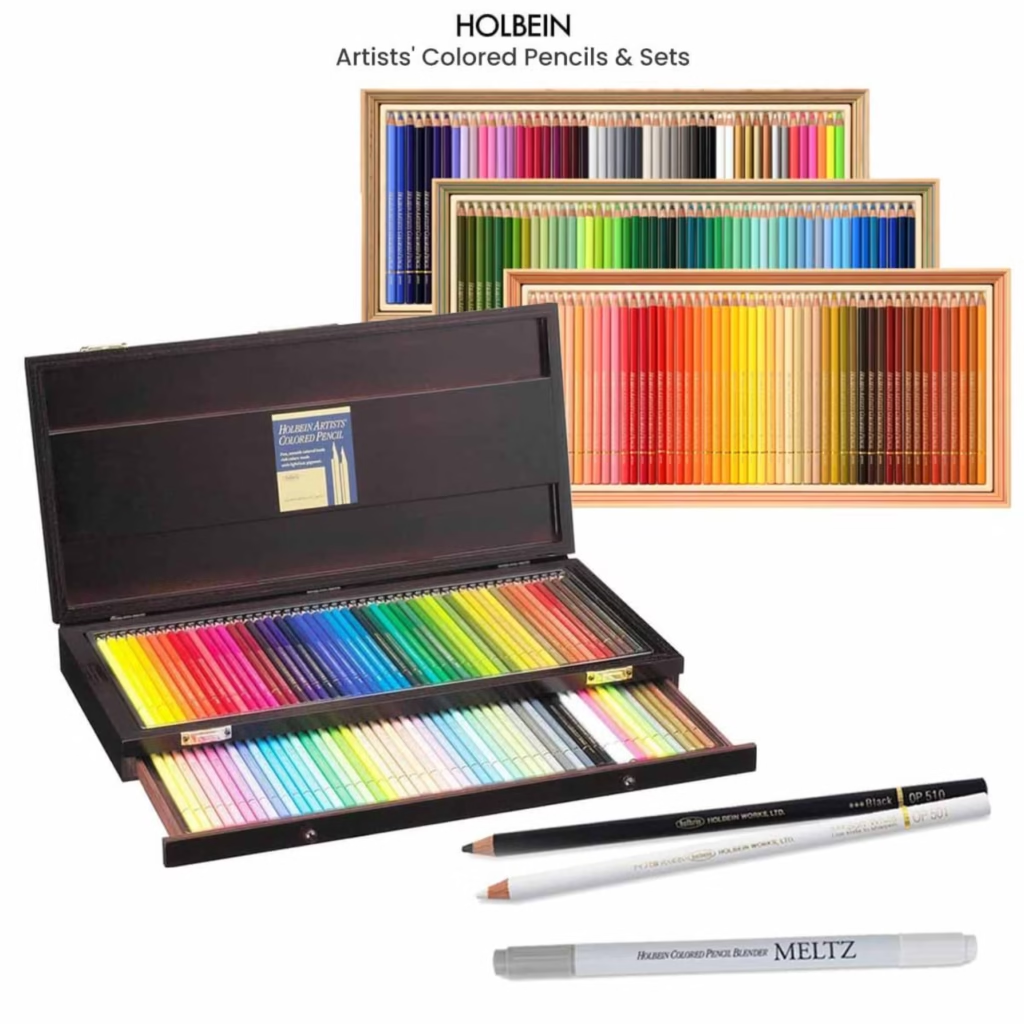
Holbein Artists’ Colored Pencils are the choice when you want oil-pencil control with almost wax-pencil softness. Made in Japan, they use a soft 3.8 mm core that Blick describes as an oil-based blend of wax, fat and oil, in 150 lightfast colours — the widest single range in this guide. That hybrid formula gives an extremely creamy, buttery laydown prized for skin tones and smooth gradients, while the oil content keeps it from blooming as heavily as a pure wax pencil. The palette leans artistic, with subtle greys and muted tones rather than only bright primaries. They sit at the premium end on price and can feel almost too soft for the finest points, so pair them with a harder pencil like Polychromos for crisp detail. For painterly, blend-heavy work they are among the most enjoyable pencils made.
Caran d’Ache Luminance 6901 — best luxury hybrid
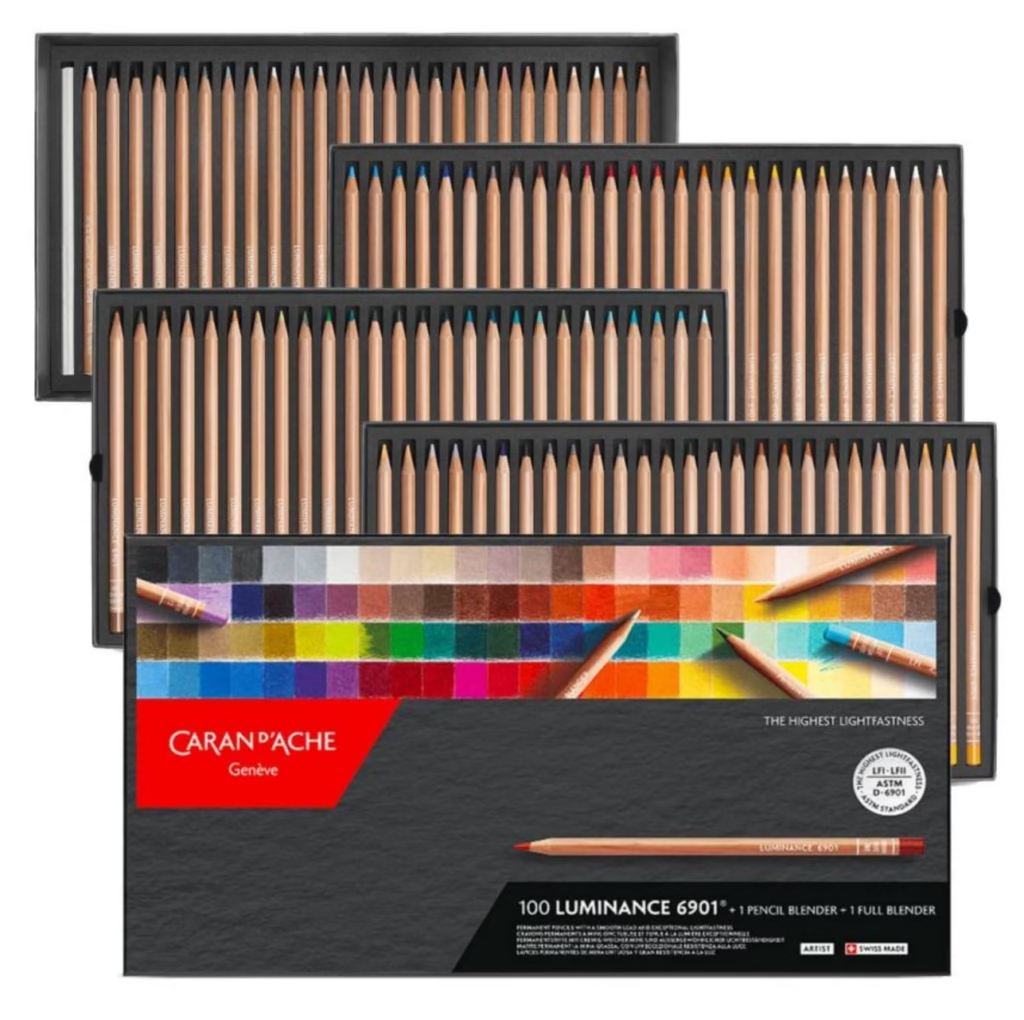
Caran d’Ache Luminance 6901 is often listed among oil pencils, and the maker’s own description explains why: Caran d’Ache calls it a “mainly oil-based” direct-process pencil built from powders, plant-based waxes, and solid hydrogenated oil, with a wax content of under 30% of the lead’s weight. That higher oil-and-wax load gives it a very soft, buttery feel closer to a premium wax pencil than to firm Polychromos, which is why many artists file it with wax pencils. What it buys you is exceptional permanence — most colours carry the highest lightfast ratings — with a luxurious, saturated laydown that many colored-pencil artists consider the best there is. The catch is that the softness means constant sharpening and it is, per pencil, the most expensive set here. Choose Luminance if buttery blending and archival colour matter more than a fine point, and treat it as the soft, oil-rich hybrid it is rather than a hard detail pencil.
Koh-I-Noor Polycolor — best value artist grade
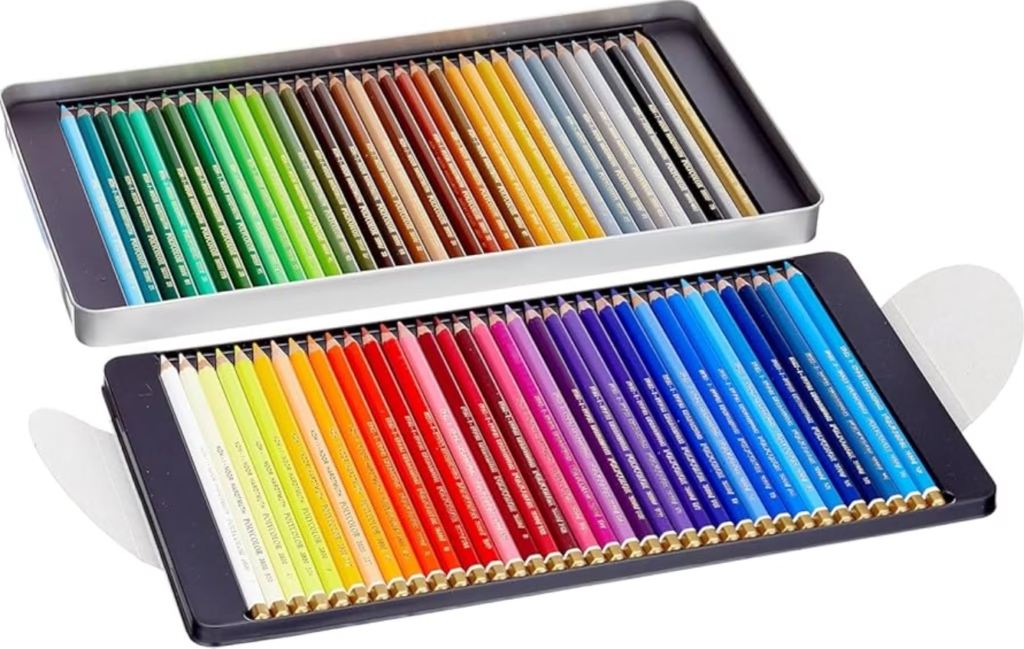
Koh-I-Noor Polycolor is the value artist-grade oil pencil, offering the largest palette in this guide for well below the price of Polychromos. Made by the long-established Czech maker, Polycolor uses an oil-based core in a proprietary blend of oils, binders, and pigments for smooth, blendable colour with no wax build-up, and the line runs to 144 colours in sets of 12, 24, 36, 48, 72, and 144. Reviewers find them firmer and a touch less richly pigmented than the top European brands, genuinely artist grade but with two honest caveats: the tips are fragile and prone to breaking if dropped or pressed hard, and similar colours in a set can look alike. On the plus side the oil core takes solvent well for smooth, almost watercolour-like blends. For an artist who wants a real oil pencil and a huge colour range without the premium outlay, Polycolor is the smart middle path.
Castle Art Supplies Gold Standard — best for beginners and adult coloring
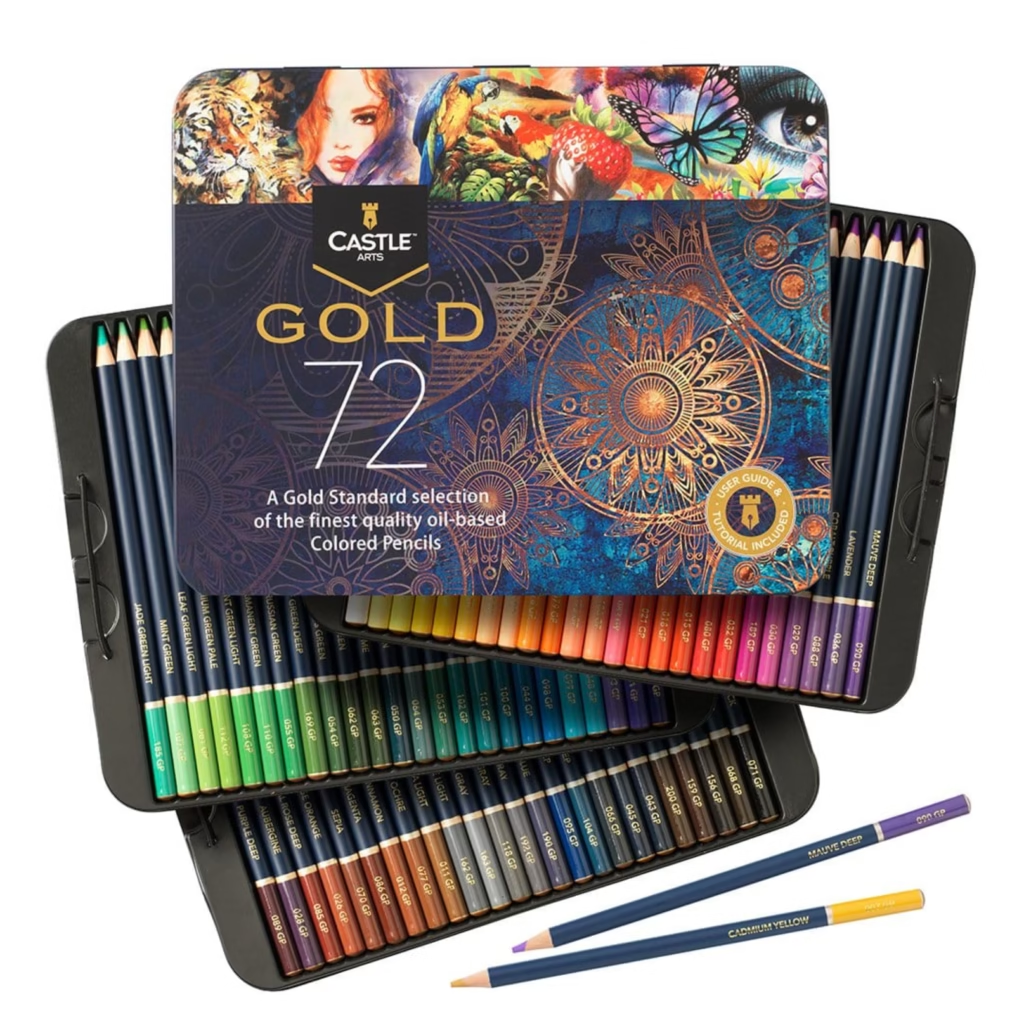
Castle Art Supplies Gold Standard is the friendly on-ramp to oil-based colouring, an affordable set aimed squarely at beginners and adult colourists. The pencils use oil-based cores set in fine-grain basswood, which the maker formulates for greater hardness so they stay sharper and resist breakage, and they come in 72- and 120-colour sets, usually with extras like a sharpener and blending pencils in a presentation tin. Colour is strong and the core is consistent and blendable, though the lightfastness is not documented to professional standards, so treat finished pieces as decorative rather than archival. For someone testing whether oil-based pencils suit them, or filling an adult coloring book without spending professional money, this is the value beginner pick.
Posca Oil-Based Colored Pencils — best for opaque colour and mixed media
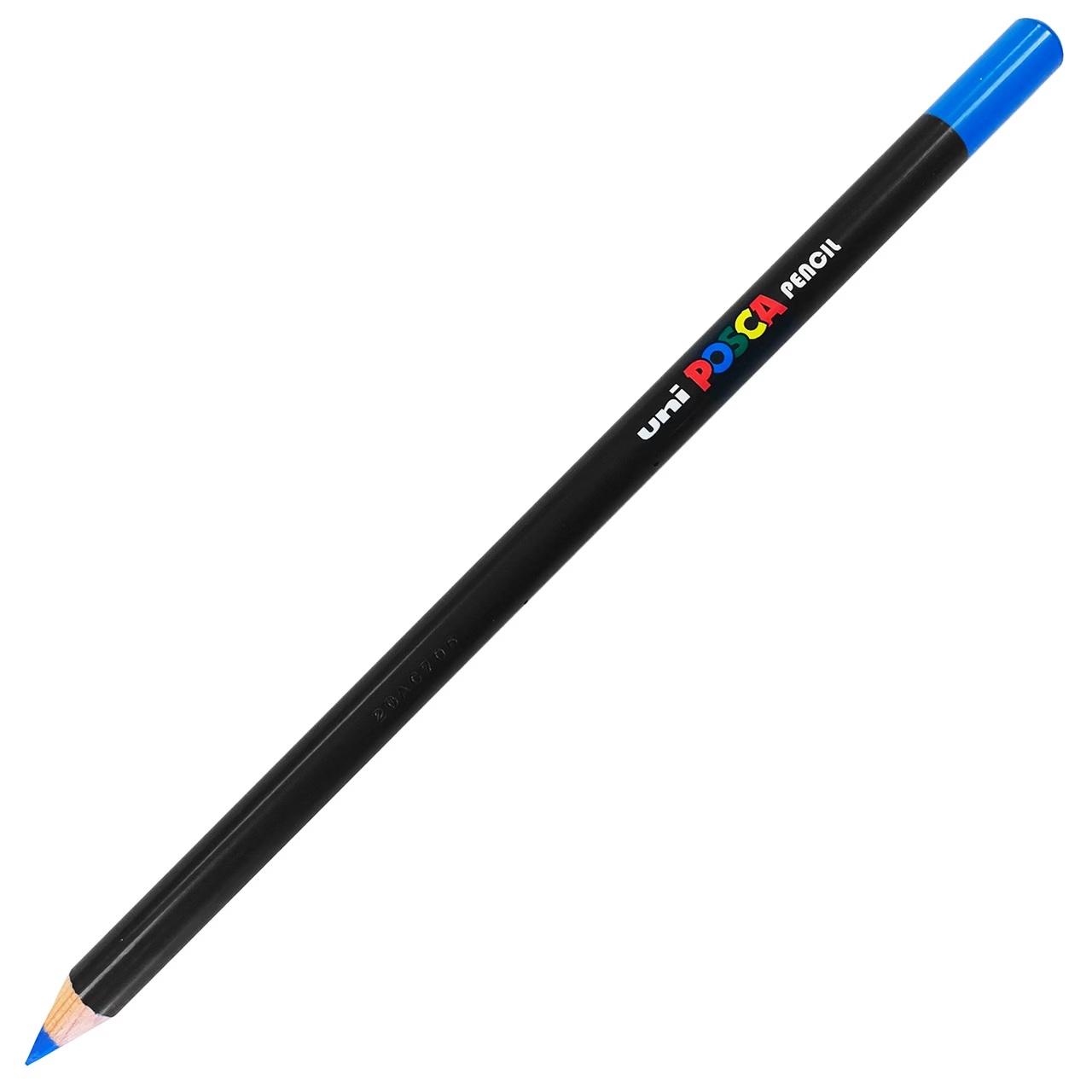
Posca Oil-Based Colored Pencils are the newcomer, made by Uni Mitsubishi of Japan and built around opacity. Their oil-and-wax core lays down smooth, highly opaque colour with a 4.0 mm lead in a set of 36, and reviewers single out how well the colours hold up on black paper and layer over other media such as Posca paint markers, watercolour, or acrylic. That opacity makes them a genuinely different tool from the translucent European artist pencils, and a strong choice for mixed-media and dark-ground work. The main caveat is that Posca has not published verified lightfastness figures, so for archival work stick to Polychromos or Derwent Lightfast. For bright, opaque, layer-friendly colour, Posca is a fresh and capable option.
Arrtx Oil-Based Colored Pencils — best budget soft-core
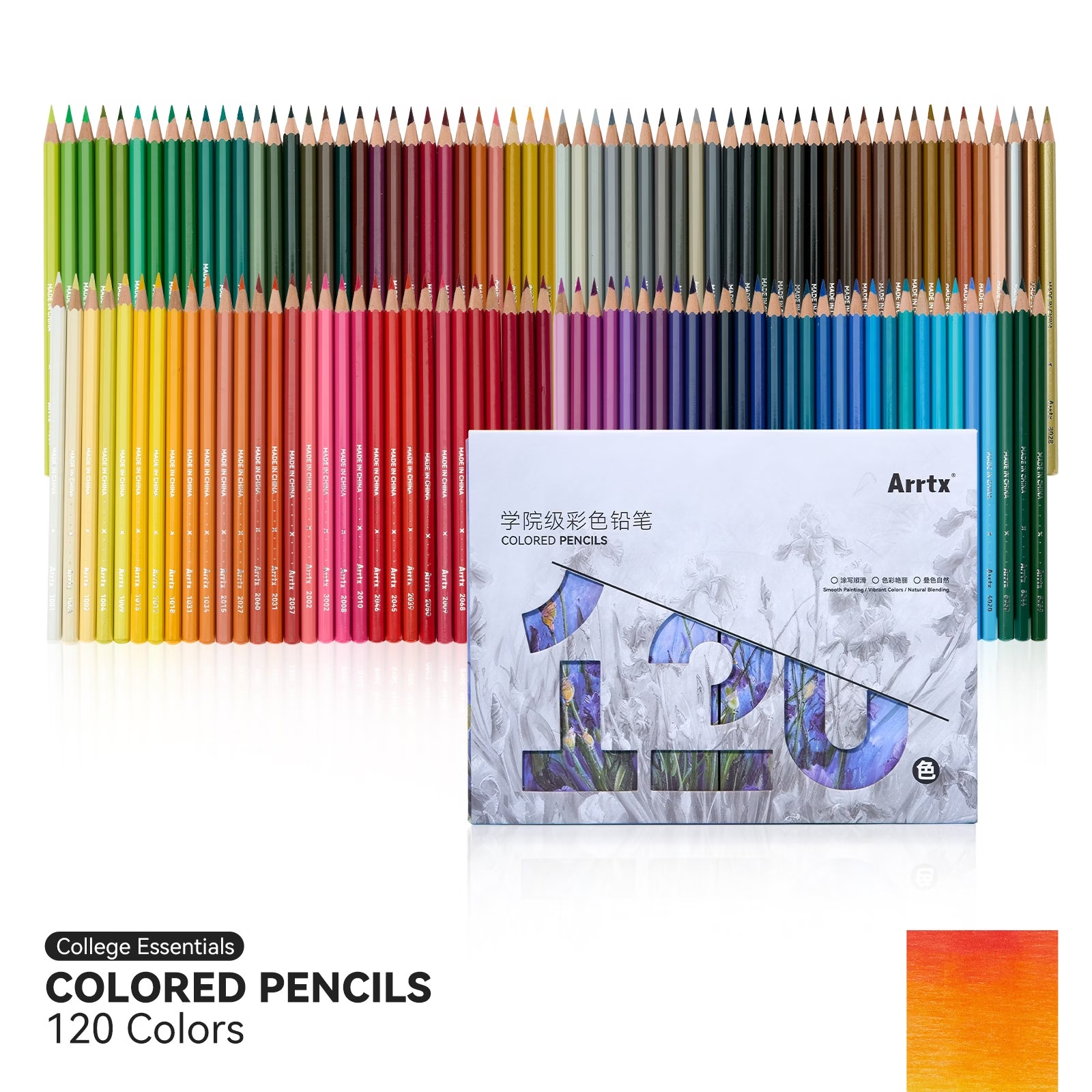
Arrtx Oil-Based Colored Pencils are the value soft-core set, an inexpensive line that punches above its price for coloring and casual drawing. The soft oil-based cores come in sets of 72, 120, and 126, including a generous run of warm and cool greys, and reviewers describe a buttery, almost Prismacolor-like laydown that stays a touch firmer and shows little wax bloom until heavily burnished. At roughly $30–40 for a large set they cost a fraction of the artist brands, and while the lightfastness is undocumented, they are an easy recommendation for beginners, students, and colourists who want smooth, vibrant colour cheaply. Think of them as a soft, affordable everyday set rather than an archival one.
Brutfuner Oily Colored Pencils — best for the biggest palette on the smallest budget
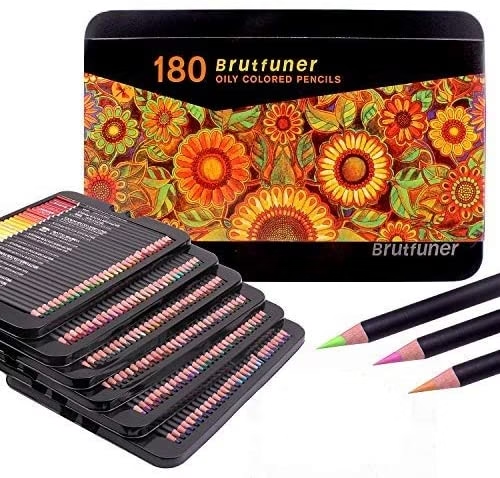
Brutfuner Oily Colored Pencils are the budget extreme: enormous colour ranges at the lowest prices in this guide. The maker confirms the cores are mostly vegetable oil with only a small amount of wax, making them genuinely oil-based, and reviewers are repeatedly surprised by the saturation and smooth, firm laydown that holds a fine point. Sets run up to 180 colours — and even 520 — for the cost of a small artist tin. The trade-offs are real: there are no lightfast ratings, barrel labelling is minimal, and the very largest sets include dull, weakly pigmented shades. For swatching, experimentation, coloring, and simply having every colour to hand, though, nothing here matches Brutfuner for palette per dollar.
How to choose oil-based colored pencils
Choosing oil-based colored pencils comes down to five attributes: core hardness, lightfastness, colour range, grade against price, and how they pair with your paper. Weigh them against the drawings you actually make rather than the brand on the tin, and the right set becomes obvious.
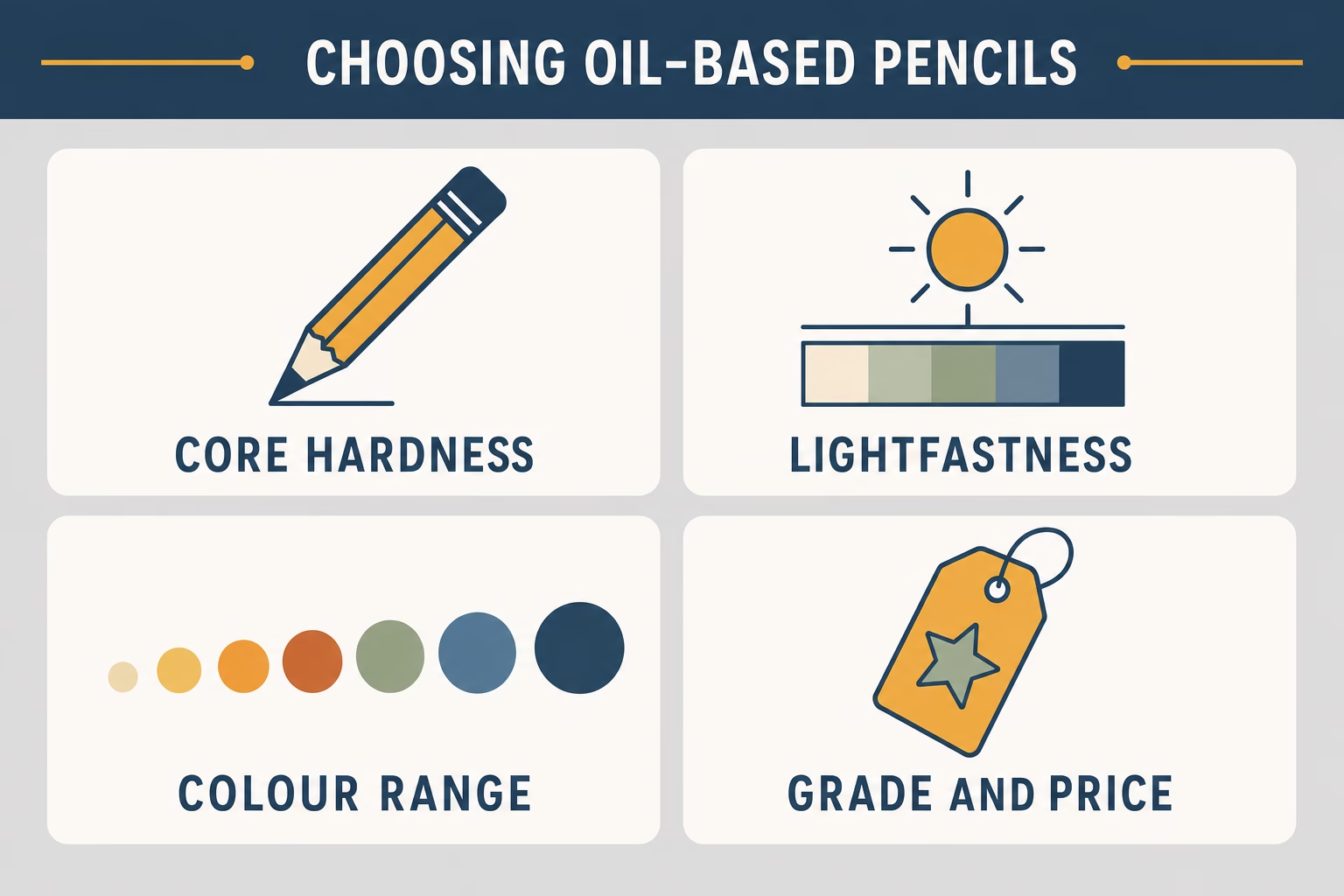
- Core hardness sets what the pencil does best: a firmer core like Polychromos or Pablo holds a point for fine detail, while a softer core like Holbein, Luminance, or Arrtx lays colour down faster and creamier.
- Lightfastness decides whether the work survives: Derwent Lightfast publishes a full 100% ASTM D6901 rating and Polychromos rates 102 of 120 colours at maximum, whereas budget oil sets like Castle Art, Arrtx, and Brutfuner document no fade resistance, so buy to a rating when the art is meant to last.
- Colour range matters more than it looks: Holbein reaches 150 and Koh-I-Noor Polycolor 144 for subtle mixing, while Posca offers just 36 highly opaque shades, so choose the range and character your subjects demand rather than the biggest tin by habit.
- Grade against price is the real fork: artist-grade European lines cost most but hold pigment and permanence, while student-priced oil imports trade documented lightfastness for a low entry cost, which is fine for learning and coloring.
- Paper pairing is a hidden cost: oil-based pencils grip a sheet with real tooth, so plan to work on a heavier paper for colored pencils rather than thin cartridge stock, and test any pencil-and-paper combination before a finished piece.
Oil-based vs wax-based colored pencils
Oil-based and wax-based colored pencils differ in their binder, and that one difference drives every practical contrast between them. Wax-based pencils hold pigment in a wax-heavy binder that is softer, blends to a buttery finish fast, and dominates the market; oil-based pencils use an oil-heavy binder that is harder, holds detail, and resists bloom. Many premium pencils sit between the two as deliberate hybrids — Caran d’Ache Luminance and Holbein among them — so read the binder, not just the marketing.
| Attribute | Oil-based colored pencils | Wax-based colored pencils |
|---|---|---|
| Core hardness | Harder; holds a sharp point | Softer; needs frequent sharpening |
| Detail vs coverage | Excels at fine detail and line | Excels at fast, even coverage |
| Wax bloom | Effectively none | Can bloom; wiped away easily |
| Breakage | More break-resistant | Cores snap more readily |
| Availability and price | Fewer artist lines, plus budget imports | Widely stocked, more affordable |
The practical takeaway is that many artists own both and mix them. Carrie L. Lewis describes starting a drawing with oil-based Polychromos for controlled layering, then switching to a soft wax pencil where she needs extra saturation, and confirms the two can be intermixed at any point without any problem. If your work is detailed, archival, or prone to bloom, start oil-based; if you want speed and buttery blends on a budget, start with the softer, cheaper wax lines and read the dedicated wax-based colored pencils guide before you buy.
How to blend and burnish oil-based colored pencils
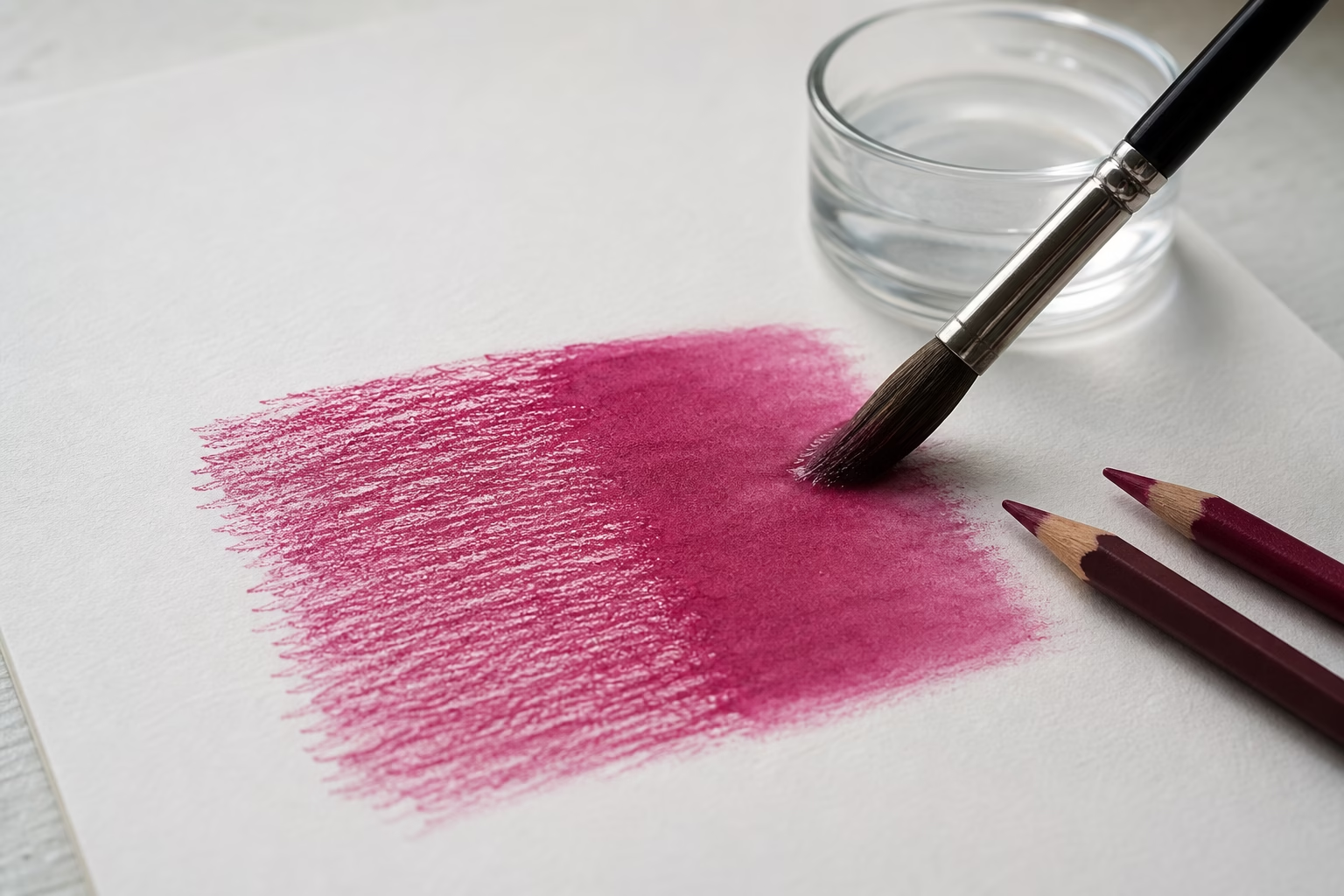
Oil-based colored pencils are blended by layering colours lightly and then working them together, and they respond especially well to solvent because the oil binder dissolves cleanly. The core principle across every layering tutorial is that a little goes a long way: build value in thin passes, because it is far easier to add another layer than to lift colour back out. These methods connect directly to the pencils above, since a harder core rewards patient layering while a softer one reaches a rich surface sooner.
- Layering: lay light, overlapping passes of colour, letting each layer alter the one beneath to mix hues optically rather than reaching for a pre-mixed colour, exactly as instructors teach for both binders.
- Solvent blending: brush a little odourless mineral spirit over the layers to dissolve and even the pigment; solvent is the technique best suited to oil-based pencils, and dedicated solvents for colored pencil make it repeatable.
- Tool blending: because oil pigment sits more powdery on the paper and grips less than wax, you can push it around with a dry paintbrush, cotton bud, or blending stump to smooth transitions — a move that barely works with sticky wax pencils.
- Burnishing: press hard with a light pencil or a colourless blender to force the pigment into the tooth for a polished, saturated finish; see the full burnishing method for pressure and order.
- Mixing binders: finish with a soft wax pencil where you want extra saturation an oil pencil resists, since the two blend together without conflict.
Frequently asked questions
Are oil-based colored pencils better than wax-based?
Oil-based colored pencils are not better outright; they are harder, hold a sharper point, resist breakage, and avoid wax bloom, which suits detail and archival work. Wax-based pencils are softer, blend faster, and cost less. Many artists own both and mix them.
What are the best oil-based colored pencils?
The best oil-based colored pencils are Faber-Castell Polychromos overall, Caran d’Ache Pablo for fine linework, Derwent Lightfast for archival permanence, Holbein for soft blending, and Koh-I-Noor Polycolor for value, with Castle Art, Arrtx, and Brutfuner covering budgets.
Are Faber-Castell Polychromos oil-based?
Yes. Faber-Castell Polychromos use a medium-soft, oil-based core, which is why they hold a fine point and do not develop wax bloom. They come in 120 colours, with 102 rated at Faber-Castell’s maximum three-star lightfastness.
Is Caran d’Ache Luminance oil-based?
Partly. Caran d’Ache describes Luminance 6901 as “mainly oil-based,” but with under 30% wax it handles like a soft, buttery pencil rather than a hard oil one, so it is best treated as an oil-wax hybrid. It earns its place for top-tier lightfastness and creamy blending, while Pablo is Caran d’Ache’s firmer, true oil line.
Are Prismacolor pencils oil or wax based?
Prismacolor Premier pencils are wax-based, not oil-based. They are soft, blend to a buttery finish quickly, and are prone to wax bloom, the opposite handling profile to an oil-based pencil such as Polychromos or Pablo.
Do oil-based colored pencils blend well?
Yes. Oil-based colored pencils blend well through layering and respond especially well to solvent, because the oil binder dissolves cleanly under odourless mineral spirits. They reach a fully burnished, buttery surface more slowly than soft wax pencils.
Are cheap oil-based colored pencils any good?
Budget oil sets like Castle Art, Arrtx, and Brutfuner colour smoothly and hold a point well for their price, making them good for practice, coloring, and learning. Their limitation is undocumented lightfastness, so use professional sets like Polychromos or Derwent Lightfast for work meant to last.
Do oil-based colored pencils have wax bloom?
Oil-based colored pencils effectively do not bloom, because wax bloom is caused by wax in the binder rising to the surface. With an oil-dominant binder there is too little wax to form the misty film seen on heavy wax-pencil drawings.
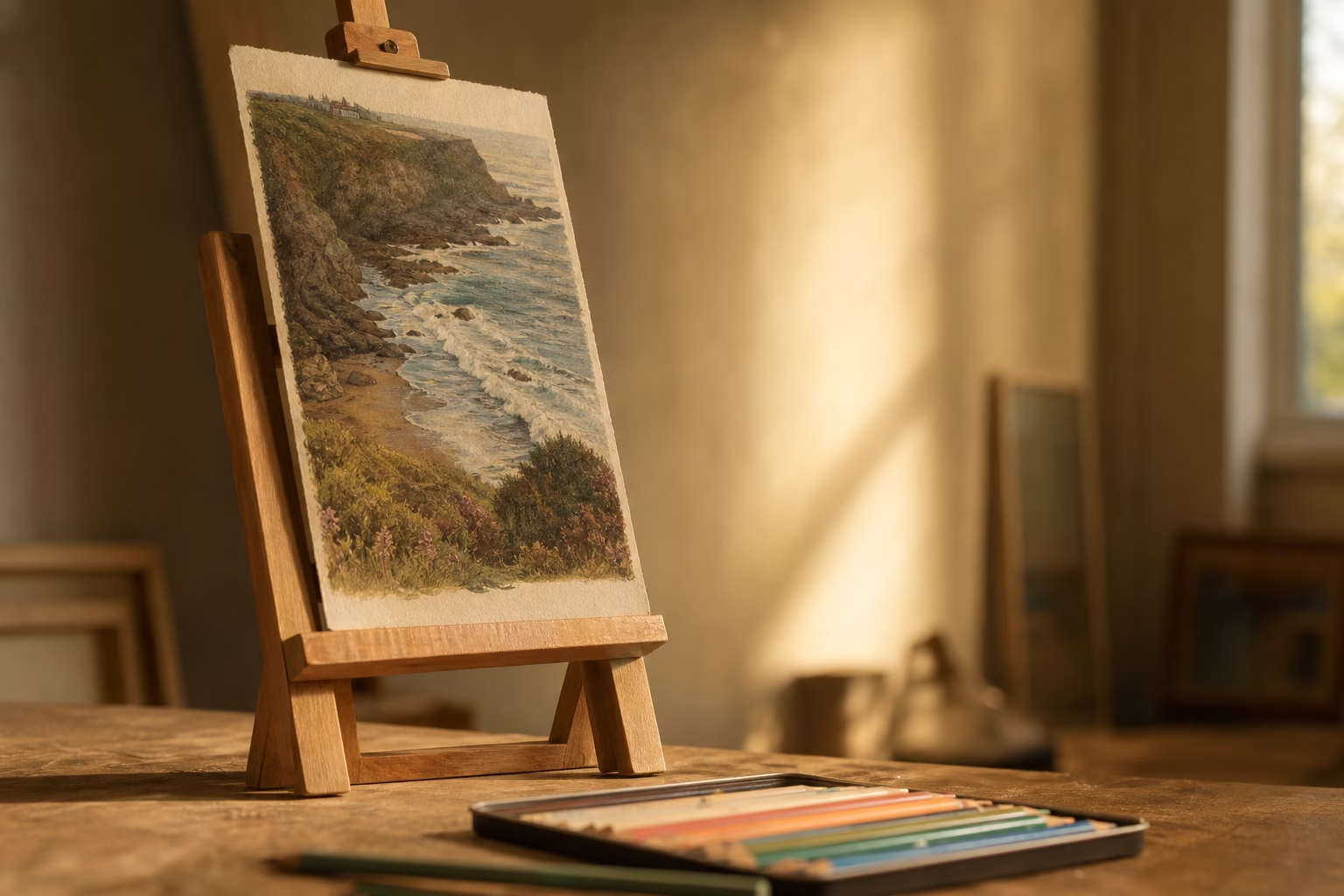
Oil-based colored pencils reward the right choice with control no soft wax pencil offers: a point that stays sharp, colour that will not bloom, and layers that hold their detail and, in the archival sets, their permanence for a century. Start with Faber-Castell Polychromos if you want one set that does everything, reach for Derwent Lightfast when the work must last, lean on Holbein or Luminance for buttery blending, and grab a Castle Art, Arrtx, or Brutfuner tin first if you simply want to feel how the oil binder behaves before committing.