Solvents for oil pastel blending are thin liquids that dissolve the soft oil-and-wax binder in oil pastels so the pigment flows into smooth, paint-like washes instead of sitting as separate strokes. The best all-round choice for most artists is an odorless mineral spirit such as Gamblin Gamsol, because it dissolves the binder cleanly while carrying almost none of the harmful aromatic solvents found in raw turpentine. For a low-toxicity home studio, a low-toxicity plant-based thinner like Sennelier Green For Oil is the safer pick, and plain baby oil is the cheapest classroom-friendly option.
That one-line answer hides a real decision, because "solvent" covers three very different families that behave differently on paper: petroleum-based mineral spirits, natural and citrus turpentines, and mild oils like baby oil and linseed oil. This guide grades each one on how aggressively it blends, how toxic it is, and whether it will survive on paper, then names five products you can actually buy, shows the exact steps to apply them, and flags the surface mistakes that ruin drawings. Every safety figure below is tied to the maker's own data, not to hearsay.
Best solvents for oil pastel blending at a glance
The best solvent depends on the trade-off you want between blending power and safety: odorless mineral spirits blend hardest, citrus solvents are gentler on your lungs, and oils are the mildest and cheapest. The table maps each pick to the job it wins, its solvent family, and its defining trait, so you can match a product to your studio before reading the full reviews.
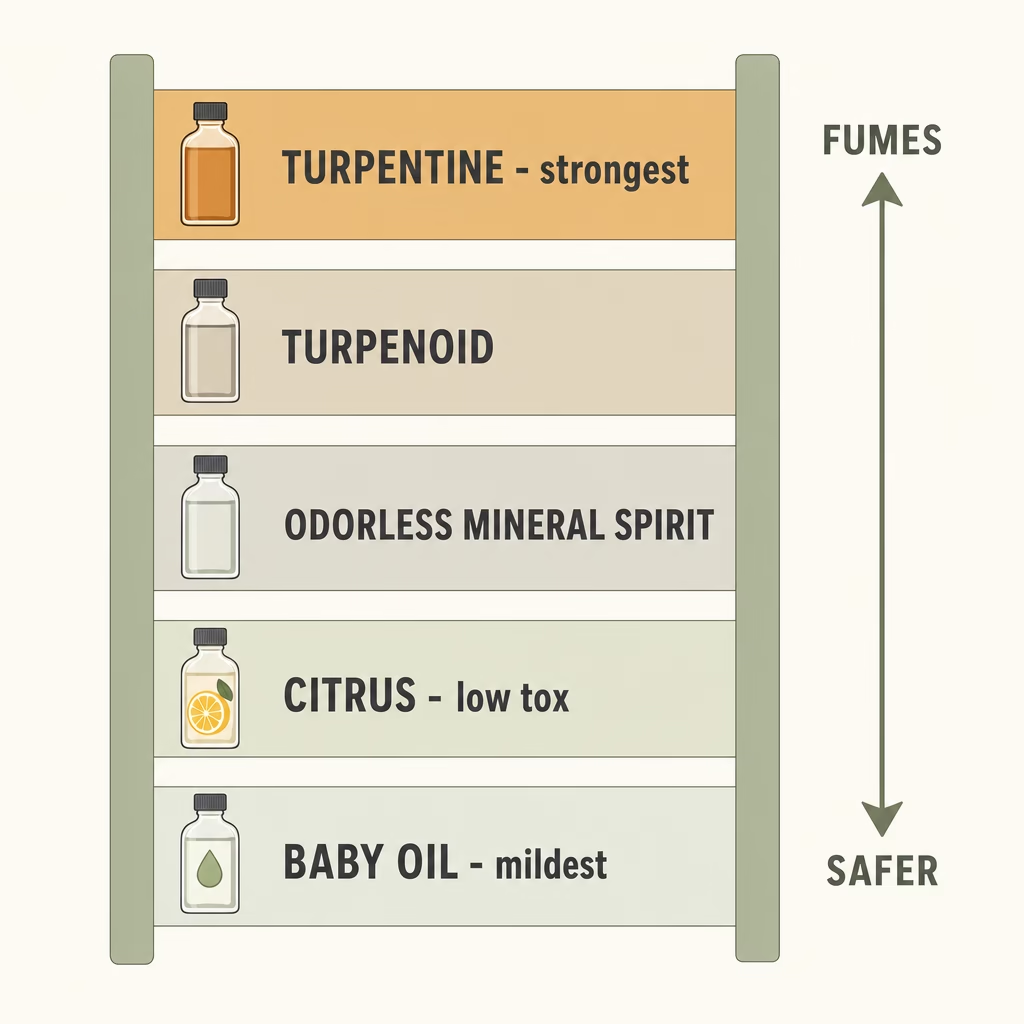
| Solvent | Best for | Family | Defining trait |
|---|---|---|---|
| Gamblin Gamsol | Best overall | Odorless mineral spirit | Blends cleanly, under 0.005% aromatic solvents |
| Winsor & Newton Sansodor | Widely stocked low-odour value | Odorless mineral spirit | Slow-evaporating, easy to find worldwide |
| Sennelier Green For Oil | Low-toxicity home studio | Plant-based thinner | Odourless, non-toxic, no petroleum distillates |
| Weber Odorless Turpenoid | Budget classic | Turpentine substitute | Cheap, effective, still needs ventilation |
| Baby oil (mineral oil) | Classrooms and beginners | Mild oil | Near-zero fumes, cheapest, no dissolving power |
What solvents do to oil pastels
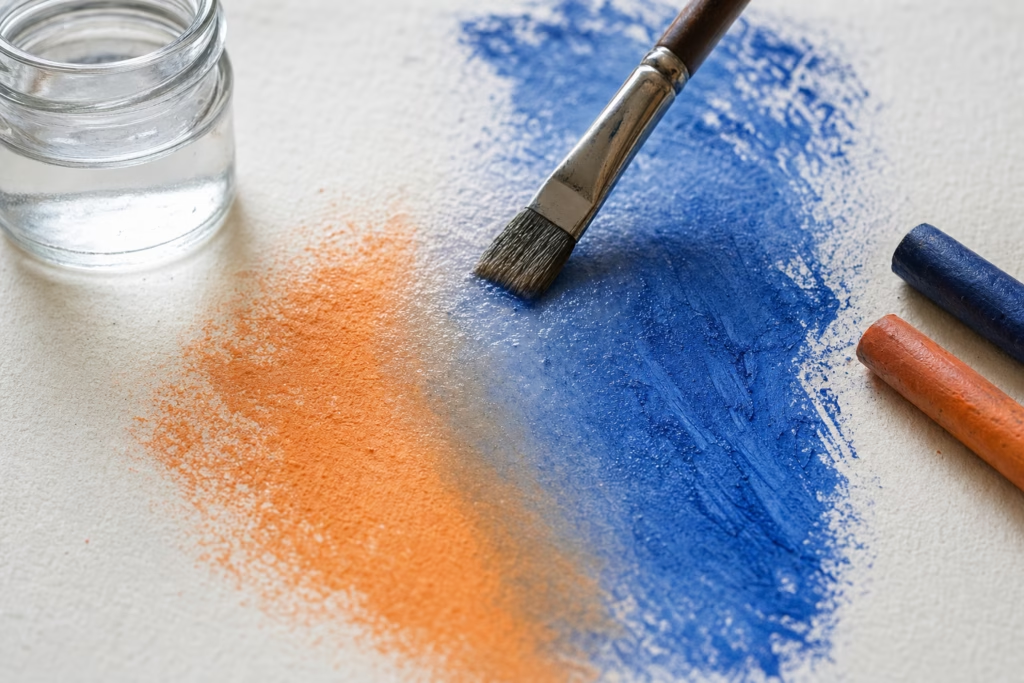
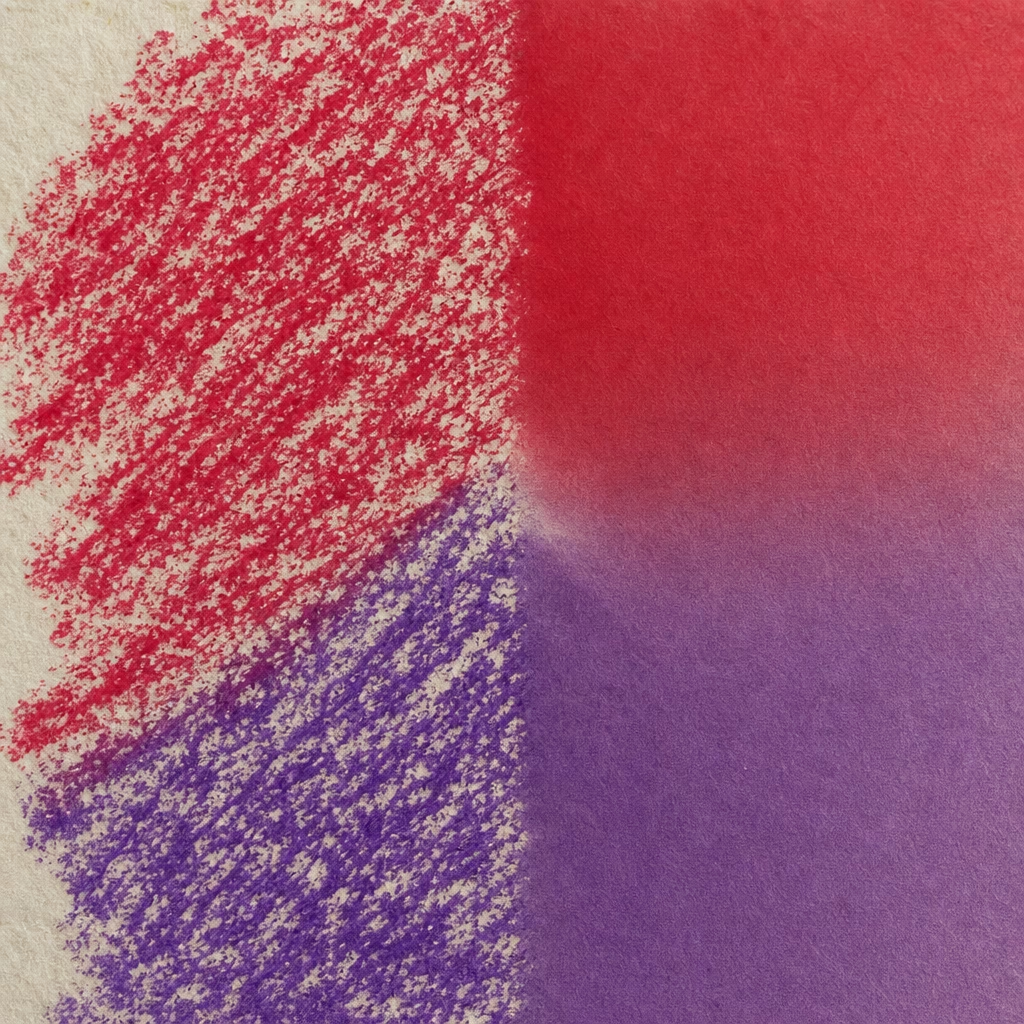
A solvent dissolves the non-drying oil and wax that binds pigment in an oil pastel, turning a stiff, waxy stroke into a fluid that a brush can spread like thin paint. Because oil pastels never fully dry, a little solvent reactivates the whole stroke at once, letting colours flow together, flood the tooth of the paper, and gradate the way watercolour does. Artists reach for this when finger-blending and stumps hit their limit.
Two facts shape every choice that follows. First, solvent blending is usually an underpainting move: as Fine Art Tutorials notes, a solvent wash covers the white of the paper in the first layer so you can build thick pastel on top, but it also dulls the colours slightly, which is why it belongs underneath rather than on your brightest highlights. Second, solvent is not the same as oil: a true solvent (mineral spirits, turpentine, citrus thinner) evaporates and dissolves the binder aggressively, while an oil (baby oil, linseed oil) simply softens the stroke and stays on the paper. That single distinction decides more about your result, and your paper's survival, than any brand name.
Solvent blending suits softer, high-pigment sticks best. If you are still choosing sticks, see the guide to the best oil pastels; artist-grade pastels carry enough pigment to dissolve into a rich wash, where waxy student sticks turn chalky and thin.
The best solvents for oil pastel blending, compared
The best solvent for a given artist is the one matched to their studio: mineral spirits for the cleanest blend, citrus for low toxicity, turpentine substitute for budget, and oil for near-zero fumes. Five picks below cover those cases, each reviewed for how it blends, how safe it is, and the surface it suits. Product images are the makers' own; solvents are shown as real products, never AI renders.
Gamblin Gamsol — best overall
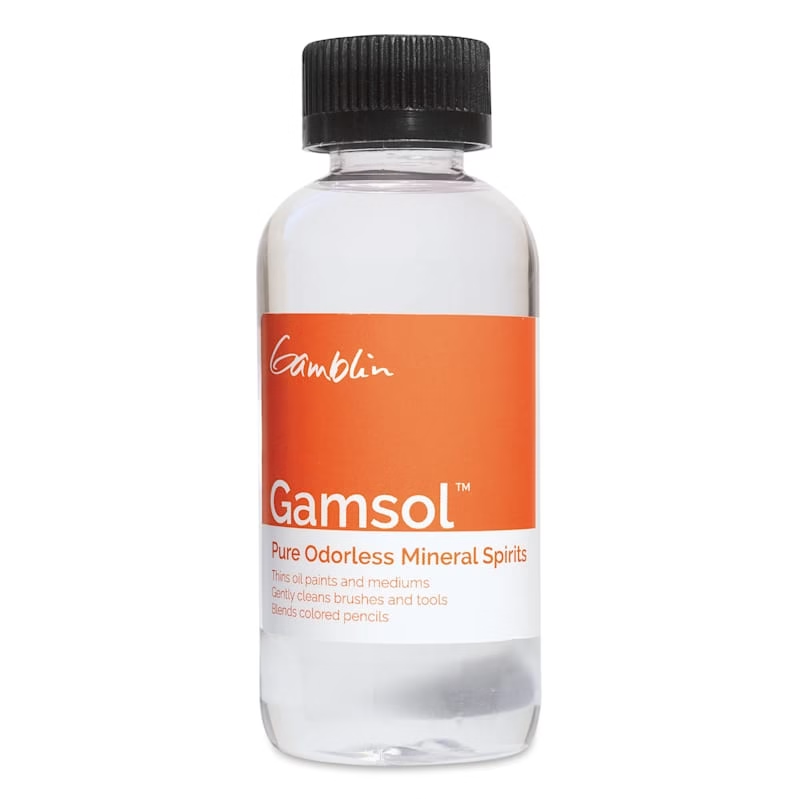
Gamblin Gamsol is the safe default and the solvent most oil painters already trust for thinning colour. It is an odorless mineral spirit, a petroleum distillate that has been refined until less than 0.005% of the harmful aromatic solvents remain, which is why it is used in school studios where raw turpentine is banned. That refinement matters for blending: Gamsol dissolves the pastel binder fast and evenly, so a brushload turns your under-layer into a smooth wash without the heady fumes of traditional thinners. Its flash point of about 144 °F (62 °C) is high enough that it ships as non-hazardous, and it evaporates slowly, giving you time to work the colour. It still needs a ventilated room, but for a clean, dependable blend with the lowest fume load of any true mineral spirit, this is the one to buy first.
Winsor & Newton Sansodor — best widely-stocked value
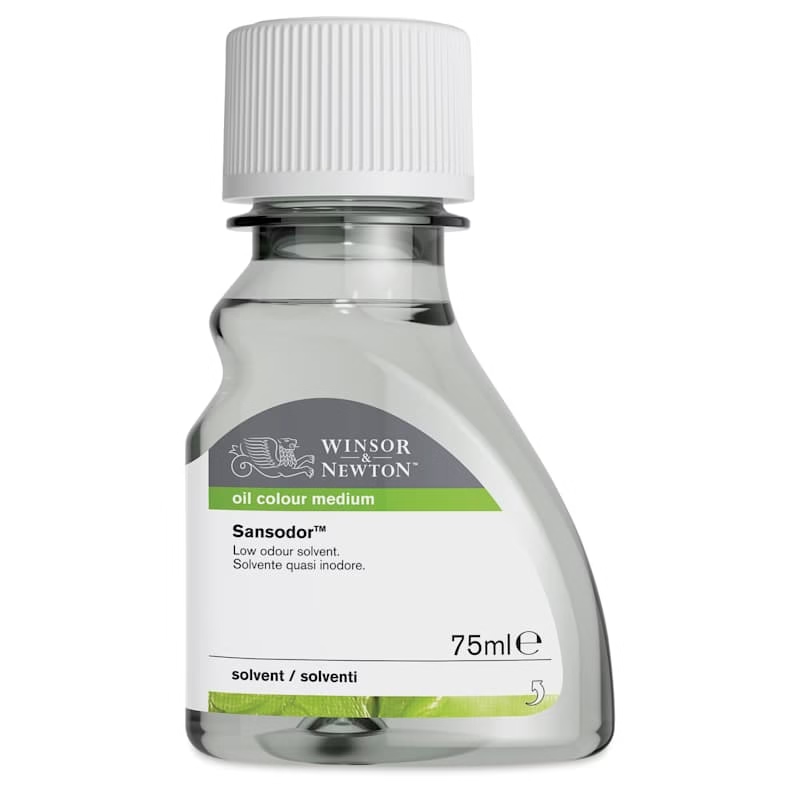
Sansodor is Winsor & Newton's low-odour mineral spirit, and it earns its place by being on the shelf of almost every art store on earth. Like Gamsol it is a refined petroleum distillate with the aromatic content stripped down, so Jackson's Art groups it with Gamsol among the low-odour spirits suitable for thinning oil colour and, by extension, oil pastel. It evaporates more slowly than Gamsol, which keeps the wash workable a little longer, useful when you are blending a large sky or background. Performance sits a hair behind Gamsol on fume level, but availability and price make Sansodor the practical value pick, especially outside the US where Gamsol can be harder to source.
Sennelier Green For Oil — best low-toxicity choice
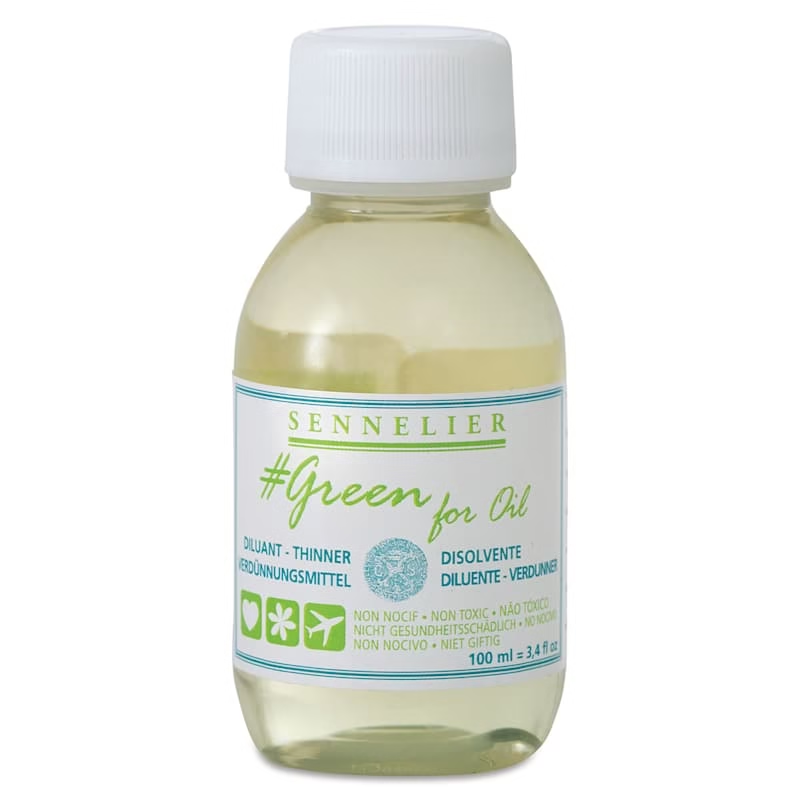
Sennelier Green For Oil is the pick when fumes and toxicity are the deciding factors, such as a spare-room studio with one window or a home with children. Made by Sennelier, the French house behind the original artist oil pastel, it is a plant-derived thinner that is odourless, non-toxic, and free of petroleum distillates, yet it still softens and dissolves oil pastel into a smooth wash. In practice it works a touch more gently than a mineral spirit and leaves no chemical smell, which makes it the easiest solvent to keep on the desk indoors. It costs more per bottle than a basic odorless mineral spirit, but for the gentlest, lowest-toxicity way to blend, this is the one to reach for.
Weber Odorless Turpenoid — best budget classic
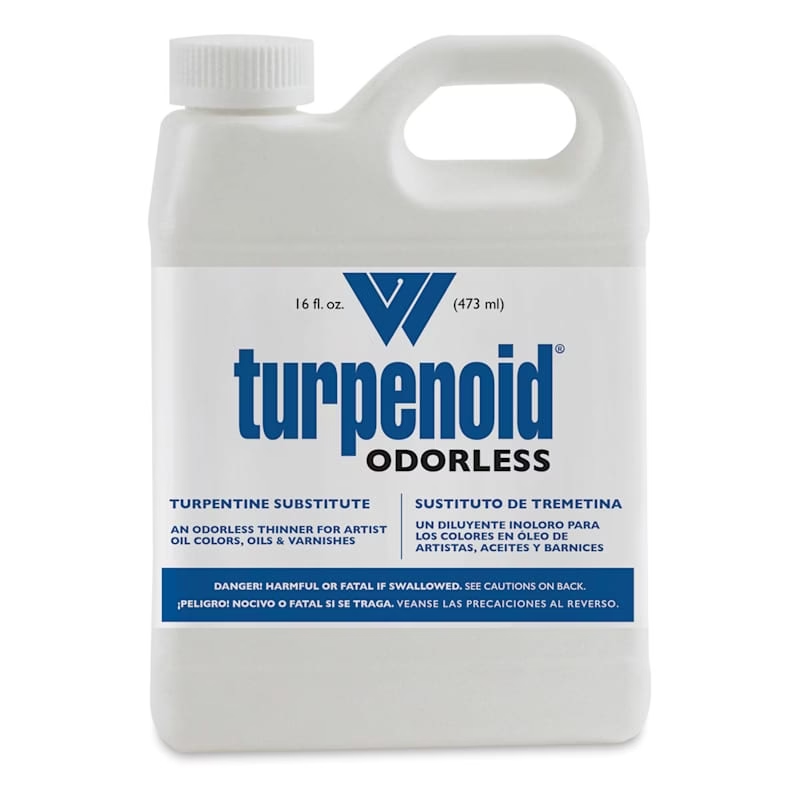
Odorless Turpenoid is the turpentine substitute a generation of pastelists learned on, and it is still the cheapest effective true solvent. It is a petroleum-based thinner with the same working properties as turpentine but far less smell, and forum artists report reliable blends with it on illustration board and hot-press paper. One caution matters: Odorless Turpenoid and Turpenoid Natural are not the same product. Turpenoid Natural is citrus-and-linseed based, has a yellowish colour, and, because of the linseed oil in it, should not be used on a paper surface as it will stain. For paper, reach for the clear Odorless version, ventilate the room despite the name, and you have a dependable blend for very little money.
Baby oil (mineral oil) — best for classrooms and beginners
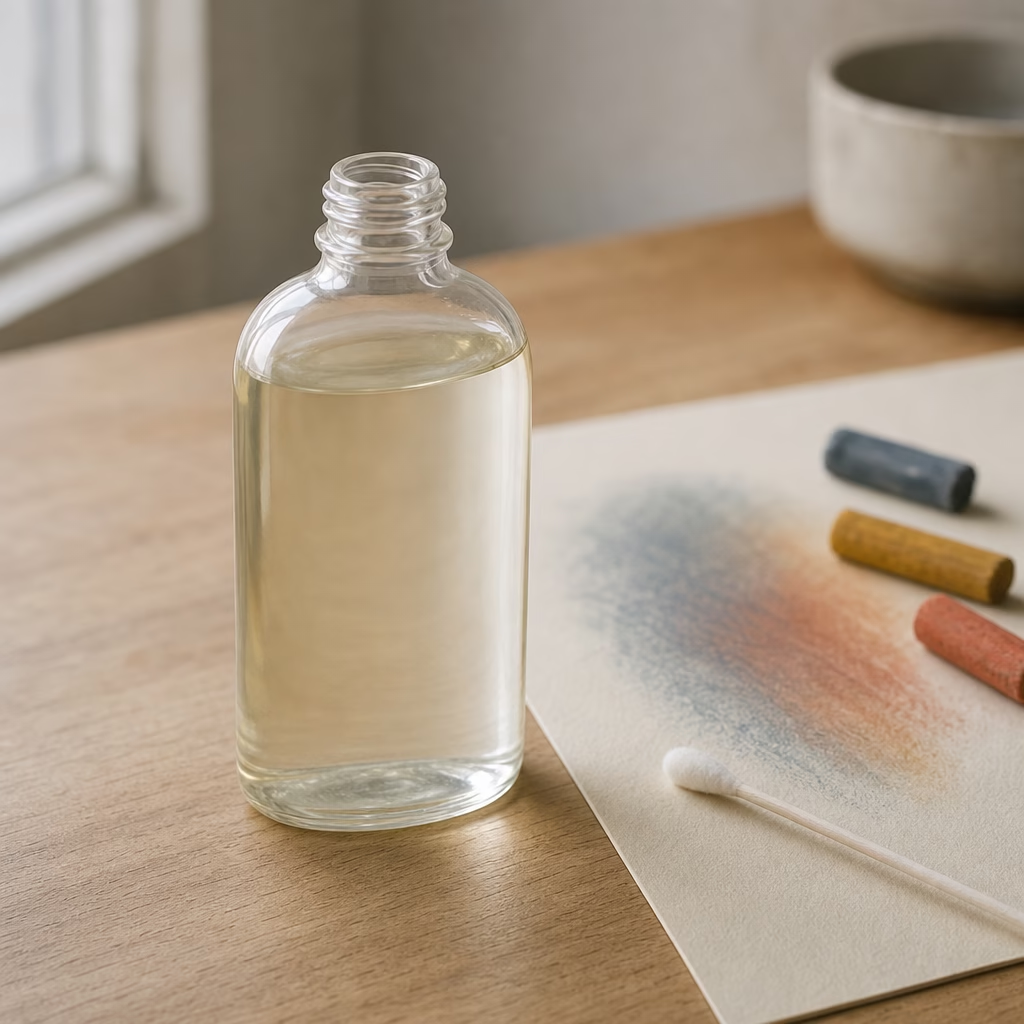
Baby oil is not a solvent at all, and that is exactly why it belongs here. It is mineral oil with fragrance added, so it has almost no fumes and costs a few dollars, making it the standard choice for classrooms, children, and anyone who cannot ventilate a space. Rather than dissolving the binder, it softens the stroke so colours smear together into a subtle, smooth blend. The trade-offs are real: oil never evaporates, so it can leave the paper greasy and, on unprimed paper, may migrate and dull the surface over time. Use it sparingly with a cotton swab, work on heavier paper, and it is the friendliest possible introduction to wet blending. Vegetable oil works in a pinch but is stickier and slower; refined linseed oil blends more like paint but must be used in every layer to dry evenly.
How to choose a solvent for oil pastels
Choosing a solvent comes down to five attributes: toxicity, odour and flammability, evaporation speed, surface compatibility, and how much it dulls colour. Weigh them against your actual studio and the drawings you make, and the right bottle becomes obvious.
- Toxicity is the first filter: raw turpentine and household white spirit carry aromatic hydrocarbons that are the most harmful part of a solvent, which is why refined odorless mineral spirits and citrus thinners exist. If health is your priority, choose Sennelier Green For Oil or Gamsol over anything from a hardware store.
- Odour and flammability decide where you can work: plant-based thinners like Sennelier Green For Oil are the mildest-smelling, mineral spirits are low-odour but still flammable, and turpentine is strong on both counts. A high flash point, such as Gamsol's 144 °F, is safer to store.
- Evaporation speed is a working-time trade: true solvents flash off in minutes so you can layer sooner, while oils stay wet indefinitely and need drying time before you build on top.
- Surface compatibility is the mistake that ruins drawings: oils and linseed-based thinners can soak and dull unprimed paper, and Turpenoid Natural stains it outright, so match the liquid to your surface (more below).
- Colour dulling is unavoidable with any solvent, so plan to blend in the under-layers and keep your brightest, un-thinned pastel for the top.
How to use solvents to blend oil pastels
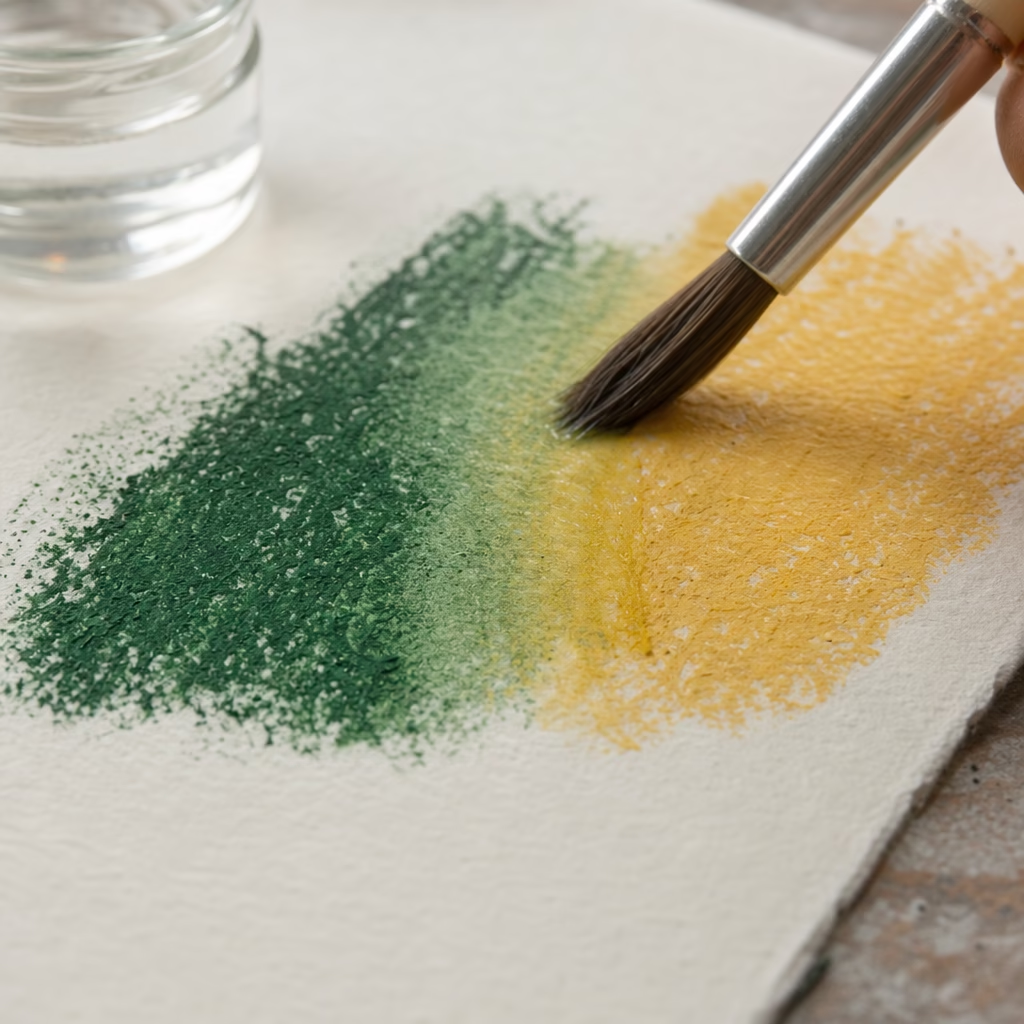
Solvent blending works by loading a brush, cotton swab, or blending stump with a small amount of solvent and stroking it over the pastel to dissolve and move the colour. The universal rule, echoed by every artist who blends this way, is that a little goes a long way: too much solvent floods the paper and lifts the layers beneath. Test any new solvent on a scrap first, because it can react with, or stain, some surfaces.
- Lay down your colour. Apply the oil pastel where you want it; you can be rough, since the solvent will smooth it. For an underpainting, a light layer is enough for the solvent to spread into a wash.
- Apply a little solvent. Dip a brush or Q-tip, blot off the excess, and stroke over the colour boundaries. Work from the lighter colour into the darker one so the dark pigment does not overpower the blend.
- Move and gradate. Use short strokes or small circles to flood the tooth of the paper and float one colour into the next. Rotate to a clean part of the swab or rinse the brush as it loads with pigment.
- Let it dry, then layer. Give a true solvent a few minutes to flash off (longer for oils), then build thick, un-thinned pastel on top for your brightest colours and finest detail.
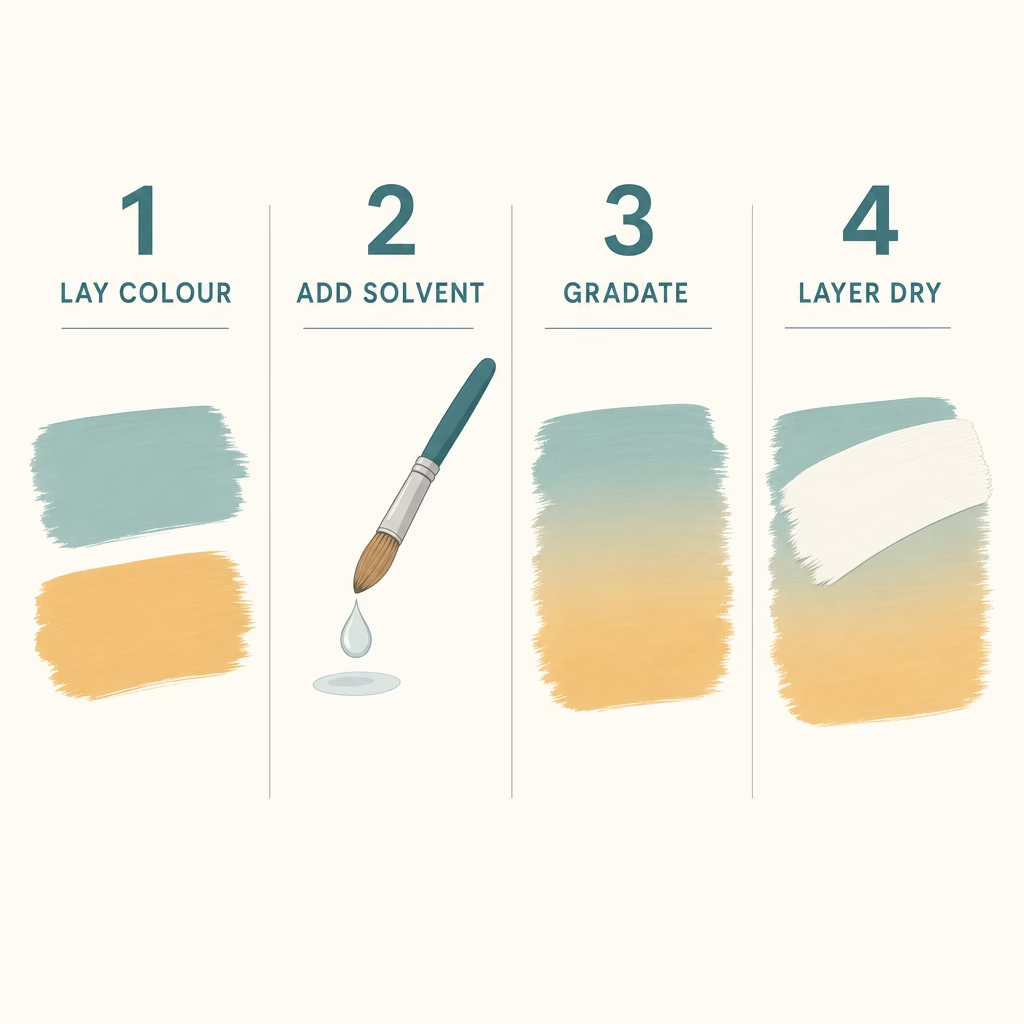
Use one swab per colour to avoid muddying, and finish highlights with dry pastel rather than blended colour. Once the piece is done, you can protect it with the right fixative for oil pastels. The same solvent-and-swab method is used to blend colored pencils, and mirrors how thinners are used in oil painting.
Is it safe to blend oil pastels with solvents?
Blending oil pastels with solvents is safe when you match the solvent to your ventilation and skin, but the risk rises steeply from mild oils to raw turpentine. The danger in petroleum and natural solvents is the aromatic hydrocarbons they can carry, which is precisely why refined products exist and why the raw versions are discouraged for home use.
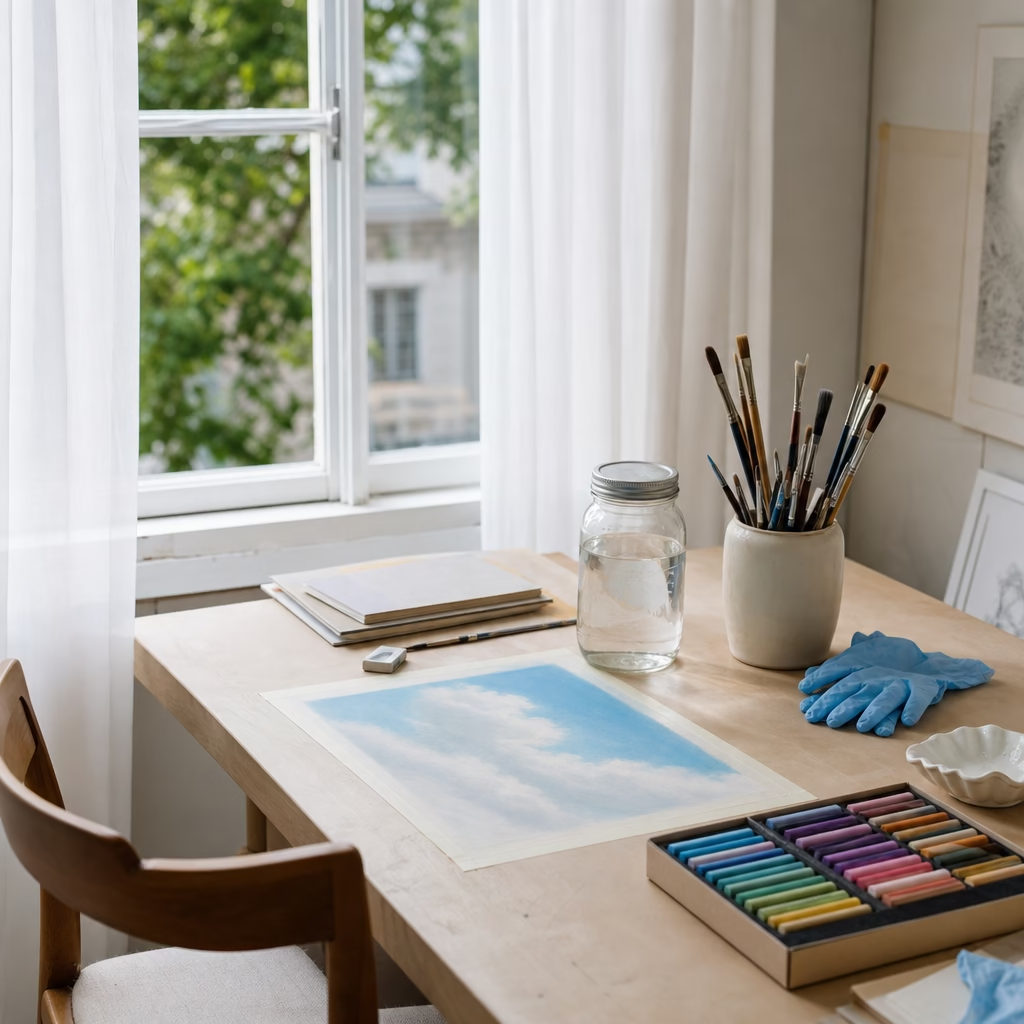
Work in a ventilated room, ideally with two windows or a fan so air circulates, and keep the bottle capped between strokes to limit evaporation. Choose a low-aromatic solvent, an odorless mineral spirit such as Gamsol or a low-toxicity thinner such as Sennelier Green For Oil, over hardware-store white spirit, which carries sulphur and other impurities not meant for art. Wear nitrile gloves if your skin reacts, store solvents out of reach of children and never in a drinking container, and let solvent-soaked rags dry flat outdoors before disposal, since oily rags can self-heat. For classrooms and young artists, skip solvents entirely and blend with baby oil.
What paper and surfaces work with solvents?
Solvents and oils demand a surface that can take being soaked, which means heavier paper or a primed ground. Thin sketch paper warps, tears, or goes translucent the moment a wet solvent hits it.
Use paper rated at least 200 gsm, and ideally one made for oil pastel or mixed media, so it resists buckling; a minimum of 120 gsm is the floor even for light work. Sanded pastel papers such as those forum artists cite, along with gessoed board and primed canvas, all hold up to solvent and oil, while sized watercolour paper handles light washes. The guide to the best paper for oil pastels covers weights and textures in detail. Two surface rules save drawings: prime or gesso absorbent paper before using an oil like baby or linseed oil so it cannot migrate and rot the sheet, and never put linseed-based Turpenoid Natural on bare paper, since it stains. When in doubt, test on an offcut of the same paper before you commit to the real piece. For the full range of sticks, tools, and surfaces, see the oil pastel supplies hub.
Frequently asked questions
What is the best solvent for blending oil pastels?
Odorless mineral spirits such as Gamblin Gamsol are the best all-round solvent, because they dissolve the pastel binder cleanly while carrying almost none of the aromatic solvents that make raw turpentine harmful. For a lower-toxicity option, a plant-based thinner like Sennelier Green For Oil blends nearly as well with fewer fumes.
Can you blend oil pastels with baby oil?
Yes. Baby oil is mineral oil, so it softens oil pastels into a smooth blend with almost no fumes, making it ideal for classrooms and beginners. Because oil does not evaporate, use it sparingly with a cotton swab and work on primed or heavy paper to avoid a greasy, migrating stain.
Can you blend oil pastels with rubbing alcohol?
Alcohol will break down the waxy binder and create a watercolour-like effect, and many artists use 70–91% isopropyl on a swab or brush. It evaporates fast and is easy to find, but it blends less smoothly than a mineral spirit and can lift colour if overused, so apply a little at a time.
Can you blend oil pastels with water?
No, not standard oil pastels. Oil repels water, so a wet brush only lifts pigment rather than blending it. The exception is water-soluble oil pastels, which are designed to dissolve into washes with plain water.
Do solvents dull oil pastel colours?
Slightly, yes. Dissolving the binder scatters the pigment and mutes saturation a little, which is why solvent blending is best used in under-layers that will be covered. Keep your brightest passages in un-thinned pastel applied on top.
Is turpentine safe for oil pastels?
Artist-grade turpentine blends oil pastels effectively but is flammable and gives off aromatic fumes that irritate skin, eyes, and lungs, so it needs strong ventilation. For home studios, a refined odorless mineral spirit or a citrus solvent gives similar results with far less risk. Never use household turpentine, which leaves impurities in the work.