Last year, ceramic artist Sarah Chen went from zero art show experience to $47,000 in sales across just 8 carefully chosen exhibitions. Her secret? A systematic approach that treats each art show like a mini business launch. In this comprehensive guide, you’ll discover the exact blueprint she used—plus a complete 2026 art show calendar with insider application tips that most artists never learn.
The art show circuit isn’t just about displaying your work—it’s part of a thriving arts and cultural economy that the U.S. Bureau of Economic Analysis valued at $1.2 trillion in 2023, roughly 4.2% of GDP. For working artists, a strong show season can account for a meaningful share of annual income, and a well-prepared booth can bring in several thousand dollars over a single weekend—but only for those who treat it like a business.
But here’s the reality most artists face: they apply to shows randomly, set up their booth based on gut feeling, and wonder why they’re not seeing the sales they deserve. The artists who consistently succeed follow a proven system, and that’s exactly what you’ll learn today.
With the 2026 season already in full swing and applications for late-2026 and 2027 shows opening on a rolling basis, now is the perfect time to plan your most strategic show year yet.
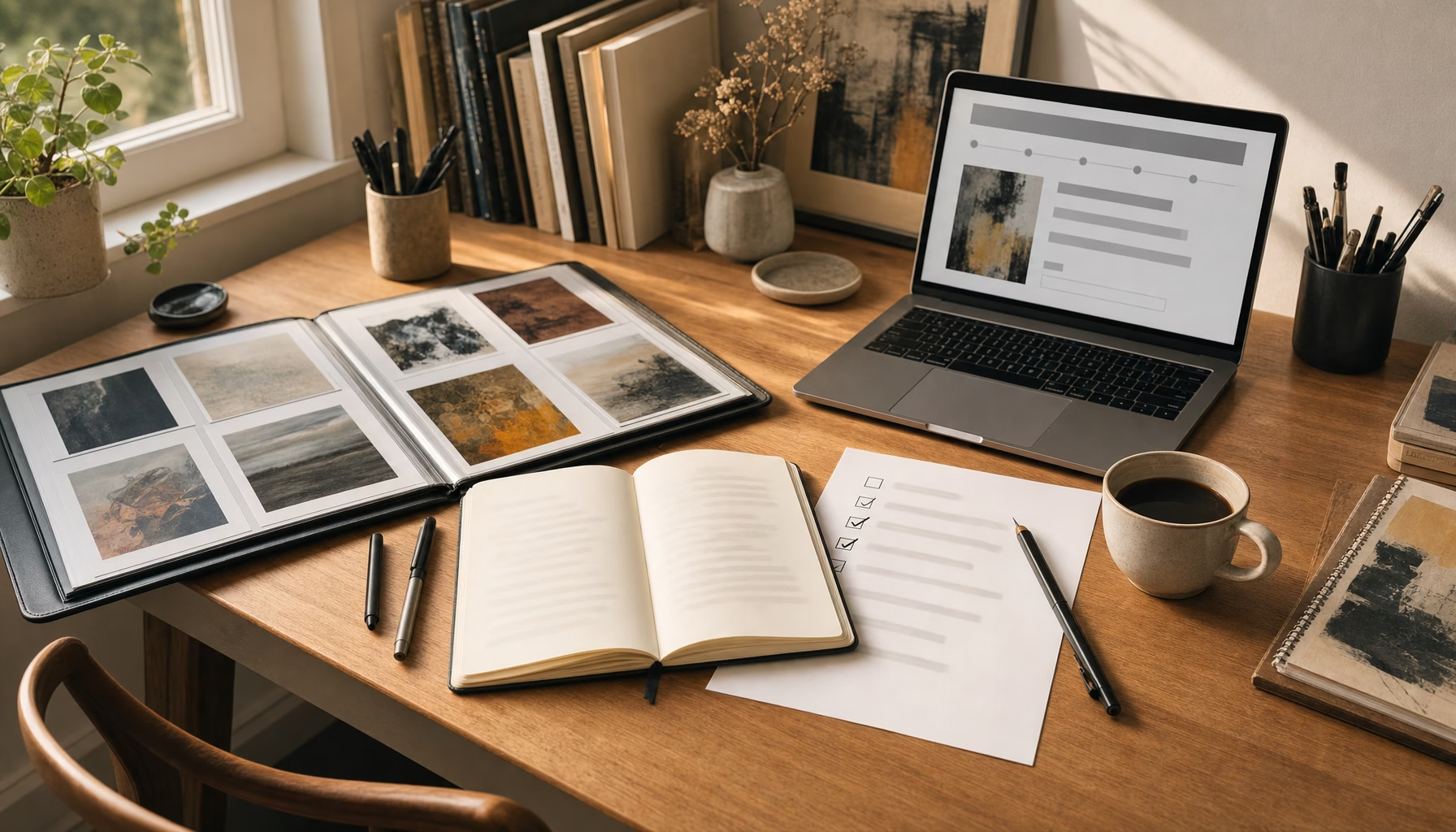
2026’s Hottest Art Show Calendar (With Application Deadlines)
The key to art show success starts with strategic selection. Not all shows are created equal, and timing your applications correctly can mean the difference between acceptance and rejection. Many of the best 2026 opportunities open their applications months in advance, so mapping out the calendar early is what separates accepted artists from everyone else.
Signature Fairs Worth Targeting First
Affordable Art Fair New York (Spring) returns to the Starrett-Lehigh Building in Chelsea March 18-22, 2026, with roughly 90 galleries showing thousands of works priced between $100 and $12,000. Because the fair is gallery-represented, individual artists usually exhibit through a participating gallery rather than applying directly—so the goal is to get your work in front of the galleries that show here, many of which lock in their rosters months ahead.
Coconut Grove Arts Festival takes place February 14-16, 2026, over Presidents’ Day weekend in Miami and draws around 120,000 attendees. Artist applications run through ZAPPlication for a $40 entry fee, opening in summer (around July 1) and closing in early fall, with acceptance staying competitive near 23%. Recent booth fees around $685 reflect the show’s prestige, and acceptance here meaningfully elevates an artist’s resume.
Art Basel Miami Beach takes place December 4-6, 2026 (with VIP preview days December 2-3) at the Miami Beach Convention Center. Individual artists can’t apply directly since gallery representation is required, but understanding Art Basel’s gravity helps you target the satellite fairs and Miami Art Week events around it—many of which open applications months in advance and ride the wave of collector traffic.
Winter & Spring Circuit (January – May)
Intersect Chicago—the fair formerly known as SOFA Chicago—is the premier gallery-presented event for sculpture, objects, and functional art, held each fall at Navy Pier with roughly 80 dealers and about 35,000 visitors. The organizer had not yet published its 2026 dates at the time of writing (watch intersectfairs.com for the announcement), but the show has historically landed in the fall and weighs craftsmanship and innovation heavily in its selection.
Ann Arbor Art Fair spans July 16-18, 2026, and is actually three independently juried fairs—including the Ann Arbor Summer Art Fair—running concurrently across roughly 30 downtown blocks. Together they draw close to 500,000 attendees and feature nearly 1,000 artists, so savvy applicants target more than one to boost their odds. Applications for the juried fairs typically close in winter or early spring.
Cherry Creek Arts Festival returns to Denver’s Cherry Creek North July 3-5, 2026, marking its 35th anniversary with around 260 juried artists and free public admission. It consistently ranks among the top outdoor art shows nationally; applications run through ZAPPlication and generally close the preceding winter. Recent booth fees around $650 are reasonable for a festival of this caliber and crowd size.
Summer & Fall Circuit (June – December)
Bucktown Arts Fest celebrates its 39th year August 29-30, 2026, at Holstein Park in Chicago, drawing an estimated 30,000 people. Despite a modest booth fee (recently around $395), this neighborhood festival punches above its weight in sales per visitor, and its strong local collector base means repeat customers and referrals. Applications are handled through ZAPPlication and open in the spring.
Fountain Festival of Fine Arts & Crafts in Fountain Hills, Arizona holds its fall edition November 13-15, 2026 on the Avenue of the Fountains. With a 50-plus-year legacy, free admission, and more than 400 juried artists set against Sonoran Desert views, it draws tens of thousands of visitors. Fall applications open May 15 and close August 31, making this one to plan for well ahead of the show.
One of a Kind Holiday Show runs December 3-6, 2026, on the 7th floor of The Mart in Chicago, with applications typically due the preceding spring. Booth fees have ranged from roughly $1,200 to $2,400, but the show posts some of the highest per-visitor sales numbers in the country. Its 65,000 holiday shoppers are specifically hunting for handmade, one-of-a-kind gifts, and the timing creates ideal buying conditions.
Download Your Complete 2026 Art Show Calendar: Get the full calendar with 47+ shows, application deadlines, and insider tips delivered to your inbox.
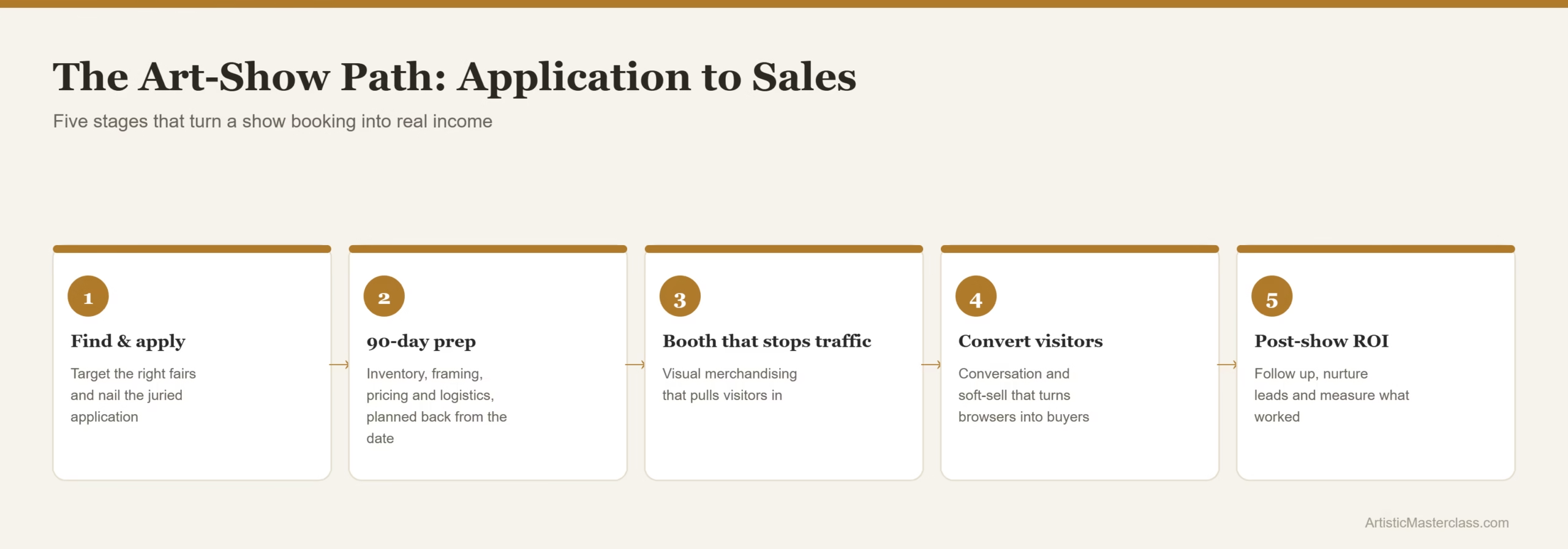
The Art Show Application Mastery System
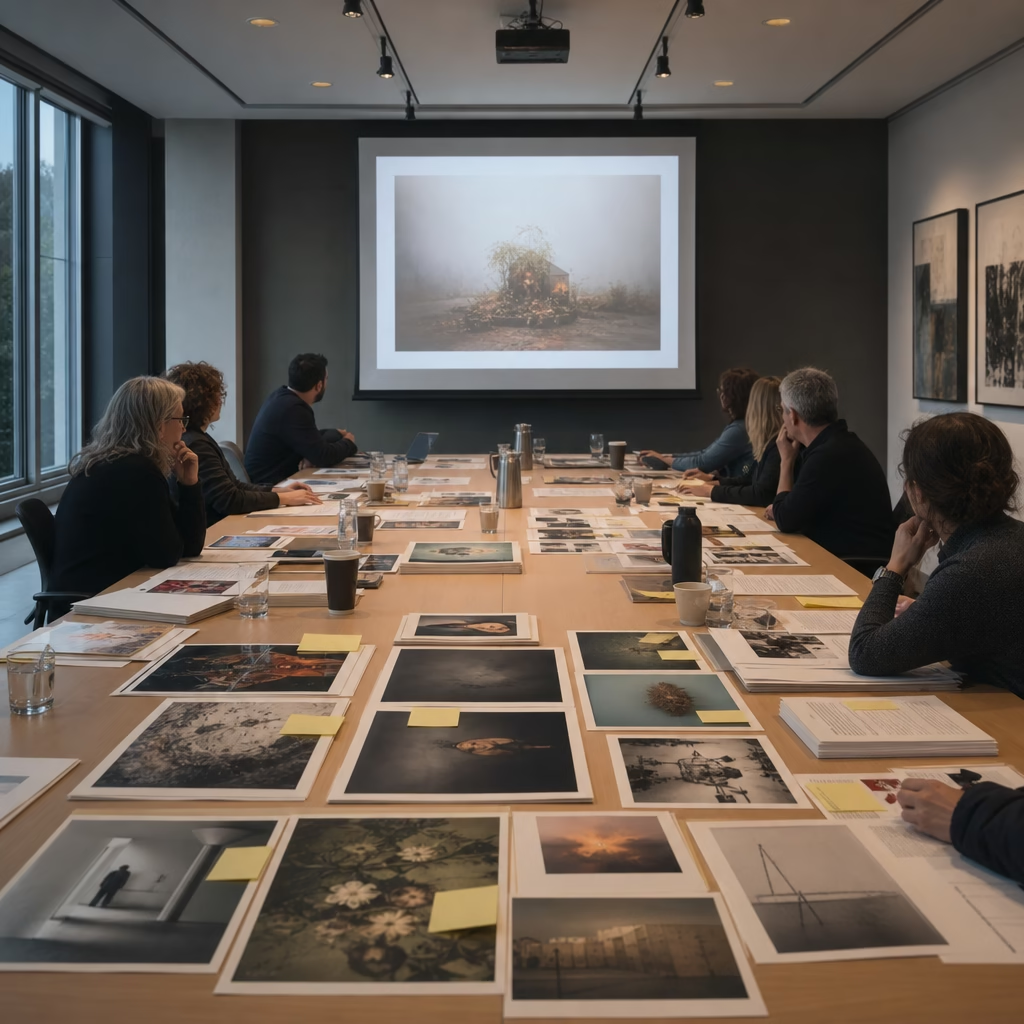
Getting accepted to quality art shows is an art form itself. Jury panels review thousands of applications, often spending less than 30 seconds on each submission. Because prime shows draw thousands of applicants and open their calls months in advance, now is the time to perfect your application materials.
Portfolio Curation That Gets You Accepted
Your portfolio isn’t just a collection of your best work—it’s a strategic presentation designed to communicate your artistic vision in seconds. Successful applications follow what I call the “3-2-1 Rule”: three signature pieces that define your style, two technique demonstrators that show your skill and process, and one scale reference image showing your work in context.
The biggest mistake artists make is including too much variety. Jury panels want to see consistency and mastery within a defined aesthetic. Sarah Chen’s acceptance rate jumped from 12% to 89% when she focused her portfolio on her signature glazing technique rather than showing her range across different styles.
Professional photography remains non-negotiable. Your images need neutral, non-competing backgrounds with even, shadow-free lighting at minimum 300 DPI resolution. Color accuracy that represents your work truthfully is essential, and consistent styling across all images creates a cohesive presentation that screams professionalism. If your current portfolio photos aren’t up to par, investing in professional photography now will pay dividends across multiple applications.
Artist Statement Psychology: What Jurors Really Want
Jury panels aren’t just art experts—they’re business people evaluating whether you’ll enhance their show’s reputation and attract quality visitors. Your artist statement should address three key questions: what makes your work unique, why do people buy your work, and how do you present professionally.
The winning statement formula starts with a unique hook about your technique, inspiration, or background in about 25 words. Follow this with a 50-word description of your creative process, then a 40-word explanation of your artistic evolution and current focus. Conclude with 25 words about your professional credentials including shows, awards, and collections.
Avoid artist statement clichés like “exploring the relationship between” or “my work investigates.” Instead, use concrete, descriptive language that helps readers visualize your work and understand your market position. Remember, jury members are reading hundreds of these statements, so clarity and authenticity stand out.
Application Timeline & Organization Tools
With deadlines clustered throughout the year, time management becomes crucial. Create a priority system for the shows you want most, focusing your best energy on those applications first. October should be dedicated to completing applications for January and February shows, November for March and April shows, and December for summer opportunities.
Create a comprehensive tracking system using a spreadsheet that includes show name and dates, application deadline and fee, booth fee and requirements, application status and jury notification date, show ROI from previous years, and detailed notes on jury preferences and past winners. This systematic approach prevents missed deadlines and helps you refine your strategy over time.
Pre-Show Preparation: The 90-Day Success Blueprint
The difference between profitable and break-even shows happens in the preparation phase. Professional artists begin their show prep 90 days before setup day, and this timeline ensures nothing falls through the cracks. For artists applying to early 2026 shows, your preparation phase should begin immediately after acceptance.
Inventory Planning & Pricing Strategy
Successful artists bring inventory worth 8 to 12 times their booth fee. This golden ratio ensures adequate selection while maintaining cash flow efficiency. Your price point distribution should include about 40% entry-level pieces under $300 for impulse purchases and first-time buyers, 35% mid-range works between $300 and $1,500 as your bread-and-butter sales, 20% investment pieces from $1,500 to $5,000 for serious collectors and repeat customers, and 5% signature works over $5,000 that serve as prestige pieces elevating your entire booth.
Psychological pricing principles matter more than most artists realize. Odd numbers like $375 versus $400 suggest handcrafted value, while round numbers like $500 imply luxury positioning. Always display prices clearly because hidden pricing kills sales faster than anything else.
Given that we’re in September, this is the perfect time to assess your current inventory and identify gaps for your 2026 show season. Plan new work creation around your show schedule, ensuring pieces have adequate drying, curing, or finishing time before your first show.
Marketing & Social Media Countdown
Begin promoting your show participation 8 weeks before the event. Your pre-show marketing serves two purposes: driving traffic to your booth and building anticipation that converts to sales. For artists with early 2026 shows, your marketing calendar should begin in November.
Eight weeks before, announce your acceptance with behind-the-scenes preparation content. Six weeks before, preview new work you’ll be debuting at the show. Four weeks before, share your booth location and any special show incentives. Two weeks before, create urgency with “see you there” content and exclusive previews. The week of the show, maintain a daily countdown with booth setup and arrival content.
Social media content should include time-lapse videos of packing and preparation, sneak peek images of new work, stories about inspiration behind show-specific pieces, booth design and setup processes, and meet-the-artist content that builds personal connection. This sustained campaign creates momentum that translates directly to booth traffic.
Logistics & Supply Checklist
Nothing kills show momentum like forgetting essential supplies. Your display essentials include booth walls, lighting, and flooring, along with easels, pedestals, and hanging systems. Don’t forget extension cords, power strips, backup lighting, weather protection for outdoor shows, and professional signage with your name and contact information.
Sales infrastructure requires mobile payment processing through Square or PayPal Here, receipt books and business cards, price tags and informational labels, packaging materials and shopping bags, and a customer information collection system. For comfort and professionalism, pack appropriate attire for all weather conditions, comfortable shoes for long standing periods, snacks, water, backup phone charger, a folding chair for booth breaks, and hand sanitizer with cleaning supplies.
Booth Setup That Stops Traffic (Visual Merchandising Secrets)
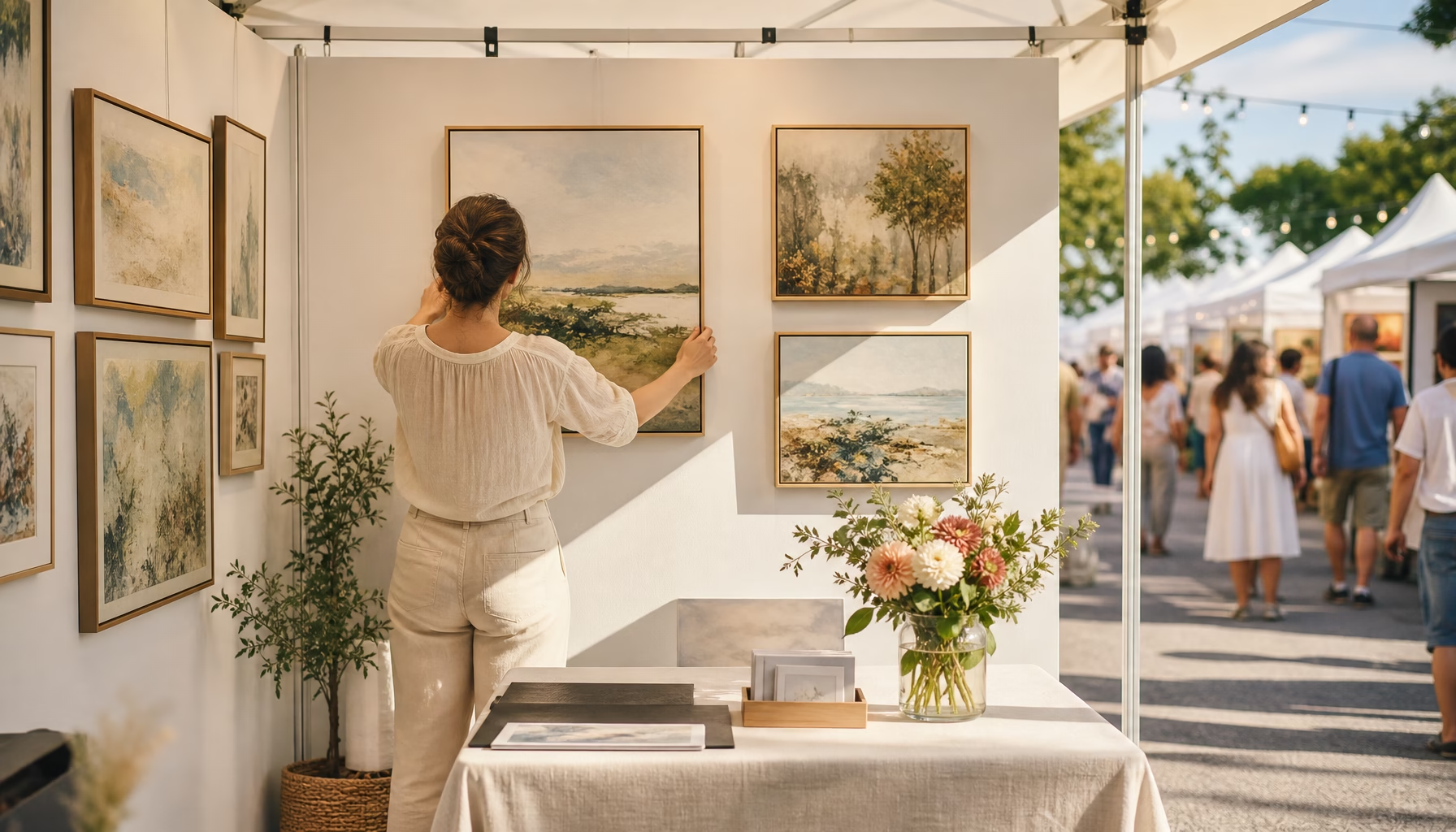
Your booth is your temporary gallery, and its design directly impacts your sales. Eye-tracking studies show visitors decide whether to enter a booth within 3 to 5 seconds of seeing it, making your visual presentation absolutely crucial.
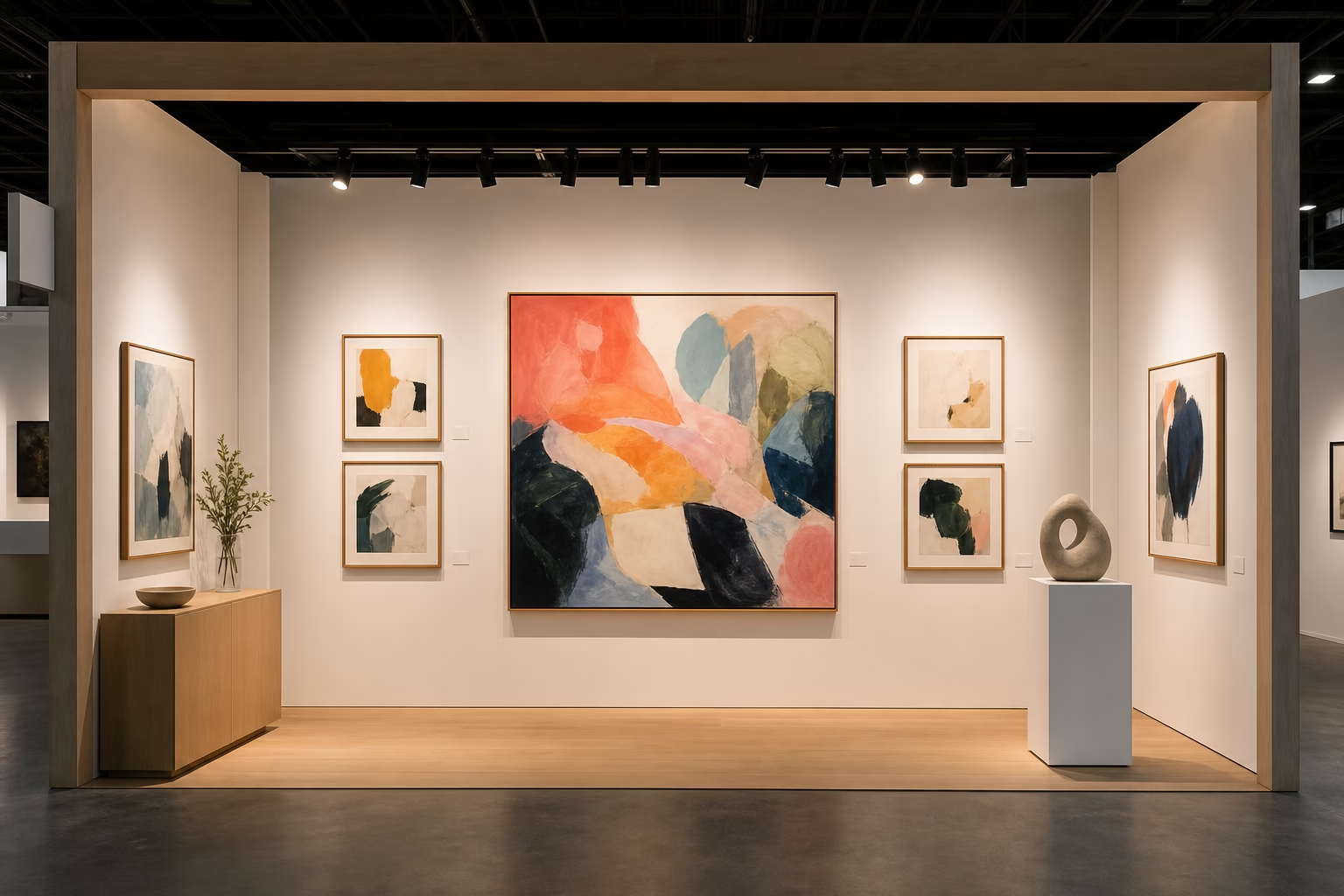
Psychology of Display Height & Lighting
The eye-level rule states that your best work should be displayed at 57 to 60 inches from the ground, which matches average adult eye level. This placement gets maximum attention and feels most natural to viewers as they scan your booth.
Lighting creates emotion and atmosphere. Warm lighting around 3000K makes people linger and feel comfortable, while cool lighting at 5000K highlights detail and creates focus. Avoid fluorescent lighting at all costs because it makes both art and people look terrible. Battery-powered LED track lighting gives you flexibility without electrical constraints and maintains consistent quality regardless of venue conditions.
Design your traffic flow using an inverted “U” layout that naturally guides visitors through your space. Place your most eye-catching piece at the back corner to draw people fully into your booth, then arrange other works to create a natural browsing path that maximizes exposure to your inventory.
Mobile-Friendly Booth Photography Tips
In our social media age, your booth needs to be Instagram-ready. Visitors will photograph your work and share it, becoming free marketing for your art. Photo-friendly setup elements include clean, uncluttered backgrounds that don’t compete with your art, good natural or artificial lighting that eliminates shadows, clear sight lines that show your work in context, professional signage that includes your social media handles, and interactive elements that encourage photo-taking.
Consider creating a designated “selfie spot” in your booth specifically designed for visitors to take photos with your work. This increases engagement and creates social media content that extends your reach far beyond the physical show attendees.
Weather-Proof Setup Strategies
Outdoor shows present unique challenges, but prepared artists turn weather into an advantage rather than an obstacle. Wind management requires weighting everything down using sandbags rather than stakes when possible, since they’re easier for setup and breakdown. Have a backup plan for high-wind conditions and secure all lightweight items and signage before problems arise.
Rain protection means investing in a quality tent with full sidewalls, elevating electrical equipment and payment processing above potential water levels, protecting inventory with plastic sheeting that remains hidden from customers, and having towels ready for wet customers and equipment. Heat considerations include providing shade for customers browsing your work, keeping water available for visitors to build goodwill, protecting temperature-sensitive pieces, and dressing in layers for changing conditions throughout the day.
The Art of Selling: Converting Visitors to Buyers
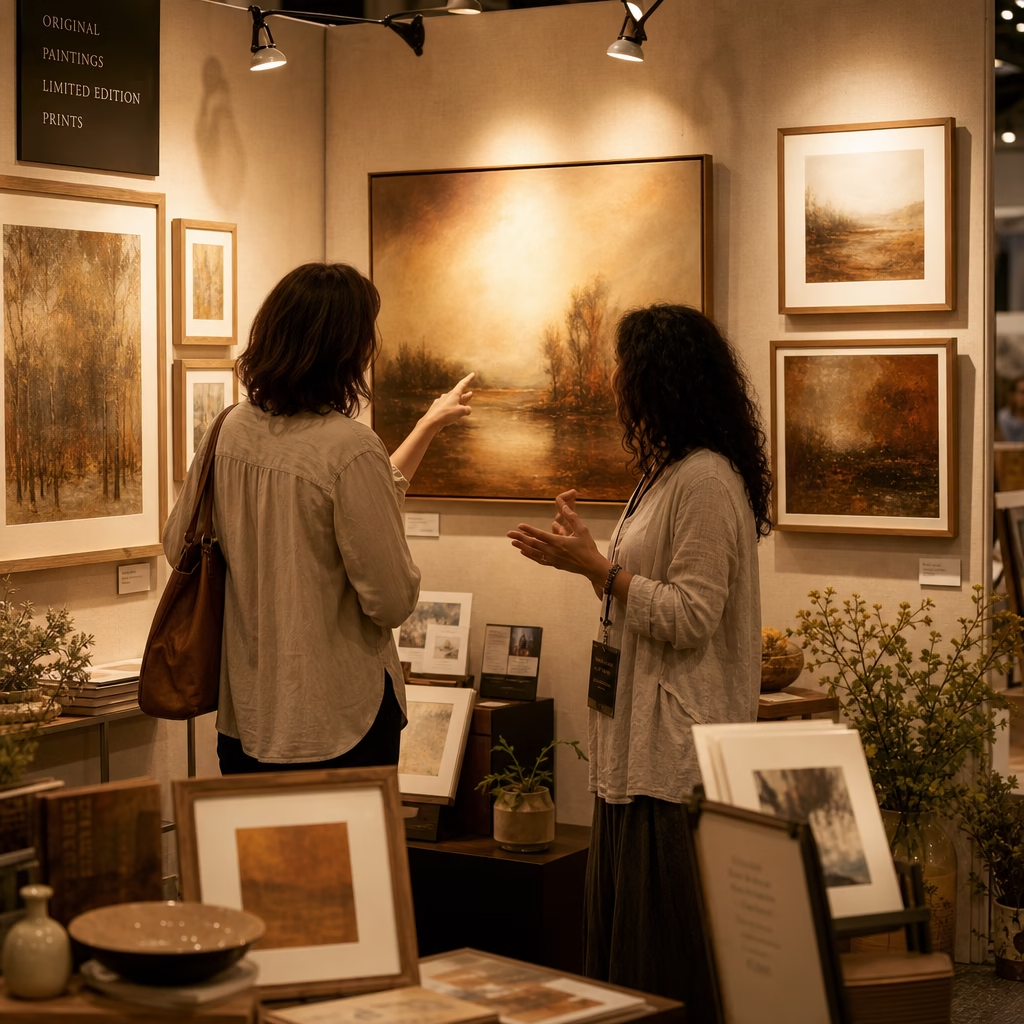
Art sales aren’t about being pushy—they’re about making authentic connections that help people fall in love with your work. The best art show sales happen through conversation, not pressure, and understanding this distinction separates successful artists from struggling ones.
Conversation Starters That Build Rapport
The technique question “Would you like to know how this piece was created?” works because people are naturally curious about artistic process, and it positions you as the expert while engaging them directly with your work. This approach invites dialogue rather than creating pressure.
Every piece should have a story ready—not a long, rambling tale, but a concise, interesting narrative about inspiration, creation, or meaning. Stories create emotional connections that justify purchase decisions and help customers explain their choice to others later.
When someone shows interest in a piece, use the compliment bridge: “You have a great eye—this is one of my favorites too.” This validates their judgment and builds confidence in their decision-making abilities while creating positive association with the interaction.
Share educational moments about your medium, technique, or inspiration. People love learning, and when you teach them something new, they associate that positive feeling with your work and remember the experience long after leaving your booth.
Handling Price Objections Like a Pro
Price objections rarely mean the price is too high—they usually mean the value isn’t clear. When someone says “That’s expensive,” respond with “I understand it’s an investment. Let me tell you what goes into creating a piece like this…” Then briefly explain your process, materials, and time investment. This shifts focus from cost to value and helps customers understand what they’re actually purchasing.
For “I need to think about it” responses, try “Of course, it’s important to choose art you’ll love for years. What specifically would you like to think about? Maybe I can help with any questions.” Often, this reveals the real objection, which you can then address directly rather than guessing.
For higher-priced pieces, offer payment plans: “Would it help if we set up a payment arrangement? Many collectors find that makes acquiring art they love more manageable.” This removes the financial barrier while maintaining the sale value.
Payment Processing & Commission Tracking
Modern payment processing should be seamless and professional. Your payment system sends a message about your professionalism and makes buying decisions easier for customers. Offer credit and debit cards as essential options, mobile payments like Apple Pay and Google Pay for convenience, cash with proper change ready, checks for established collectors, and payment plans for higher-value pieces.
Keep detailed records of every sale including customer name and contact information, piece sold with price and payment method, date and show location, customer’s collecting interests and history, and scheduled follow-up dates. This information becomes invaluable for future marketing and relationship building that extends far beyond the individual show.
Post-Show Success: Maximizing Your ROI
Your show doesn’t end when you pack up your booth. The most successful artists use shows as relationship-building opportunities that generate sales for months afterward, turning single transactions into long-term collector relationships.
Follow-Up Email Sequences That Convert
Within 24 hours, send a thank-you email to everyone who purchased, including their receipt and any care instructions, your contact information and website, invitation to follow you on social media, and information about upcoming shows or studio visits. This immediate follow-up reinforces their positive decision and opens communication channels.
One week later, send a “how are you enjoying your piece?” email with a check-in on their satisfaction, photo request for your website and social media with their permission, information about similar available works, and invitation to join your mailing list for show updates. This timing catches them while they’re still excited about their purchase.
One month later, share updates about new work in similar styles or themes, upcoming shows in their area, exclusive preview opportunities, and collector appreciation events. This maintains the relationship and positions you for future sales.
Social Proof & Testimonial Collection
Customer testimonials are marketing gold, so make collecting them part of your post-show process. Ask satisfied customers to send a photo of your work in their space—these installation photos are powerful social proof and help other buyers visualize your work in their homes.
For customers who seem particularly happy, mention that reviews help other art lovers discover your work. Most satisfied customers are happy to help when asked directly rather than hoping they’ll think to do it on their own.
With permission, create mini case studies about customers who’ve collected multiple pieces, showing how they’ve built their collection over time. These stories inspire other collectors and demonstrate the long-term value of your work.
Analyzing Performance for Next Year
Track key financial metrics including total sales versus total costs, sales per visitor interaction, average sale price, and cost per acquisition calculated as booth fee divided by number of new customers. Monitor relationship metrics like email addresses collected, social media followers gained, repeat customers from previous shows, and referrals generated.
Pay attention to artistic metrics such as which pieces sold first or fastest, price points that performed best, customer feedback themes, and jury feedback when available. Use this data to refine your show selection, pricing strategy, and inventory planning for the following year, creating a continuous improvement cycle.
Frequently Asked Questions
How much does it cost to participate in art shows? Costs vary dramatically by show prestige and location. Budget $500 to $2,000 for booth fees, plus $300 to $800 for display materials and travel expenses. High-end shows like Cherry Creek can cost $650+ just for the booth fee, while smaller local shows might charge $150 to $300.
What’s the best booth size for new artists? Most new artists should start with 10×10 foot spaces. They’re more affordable, easier to manage alone, and force you to curate your best work. As your sales and confidence grow, consider upgrading to 10×20 spaces for better impact and inventory display.
How do I protect my art during transport? Invest in proper packing materials including acid-free tissue paper, bubble wrap, and sturdy portfolio cases or crates. For paintings, use corner protectors and never stack pieces directly on top of each other. Document everything with photos before packing in case of damage claims.
Should I offer payment plans at art shows? Yes, especially for pieces over $1,000. Many collectors appreciate the option, and it can significantly increase your average sale price. Set up simple agreements specifying payment schedule and delivery terms to protect both parties.
How do I get invited to juried exhibitions? Build relationships with gallery owners and curators who attend shows. Maintain a professional online presence, apply consistently to shows at your level, and gradually work your way up to more prestigious venues as your resume grows and your work develops.
Your Action Plan for a Winning 2026 Season
The 2026 art show season is well underway, and the artists who plan ahead will have their pick of the best opportunities as applications open on a rolling basis. Your priority should be perfecting your application materials and identifying your target shows well before each deadline.
Start by downloading the complete 2026 calendar and highlighting shows that match your artistic style, budget, and career goals. Focus your energy on the 3 to 5 most important applications first, ensuring your portfolio photography and artist statement are competition-ready.
Remember Sarah Chen’s transformation from art show novice to $47,000 in annual show sales? She succeeded because she treated art shows as a business system, not random opportunities. With the strategies in this guide and immediate action on upcoming deadlines, you have everything you need to build your own systematic approach to art show success.
The artists who submit polished applications in October and November will be celebrating acceptance letters in December and January. Those who wait until deadlines pass will be scrambling for second-tier opportunities or waiting until 2026.
Ready to transform your art show results? Download the complete Art Show Success Toolkit with templates, checklists, and the full 2026 calendar to start building your most profitable show year yet.
Your art deserves to be seen, appreciated, and collected. These shows are your opportunity to make that happen, but only if you act now.